
- Home/
- Buy Doxycycline Without Prescription in the United States Online
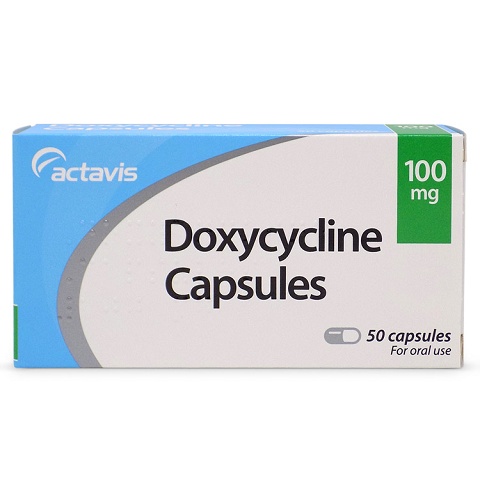
Can I buy Doxycycline without a prescription in United States?
No, Doxycycline cannot be legally purchased without a prescription in United States. This antibiotic is regulated by the U.S. Food and Drug Administration (FDA) and requires a valid prescription from a licensed healthcare provider. Attempting to obtain Doxycycline without prescription from unauthorized sources is both illegal and unsafe.
Key Takeaways: What Should You Know Before Using Doxycycline?
- Doxycycline is an effective, broad-spectrum antibiotic commonly prescribed for infections like acne, Lyme disease, and respiratory tract infections in United States.
- A valid prescription is required to buy Doxycycline in pharmacy or order Doxycycline online from any legitimate U.S. pharmacy.
- Antibiotic misuse or early discontinuation can lead to treatment failure or antibiotic resistance, risking your health and public safety.
- Doxycycline is generally well-tolerated, but it can cause side effects; immediate medical attention is required for allergic reactions or severe symptoms.
- Not all patients are suitable candidates—children under 8, pregnant women, or those with severe liver problems should not use Doxycycline unless directed by a physician.
- Always complete the full prescribed course, even if symptoms resolve early.
How Does Doxycycline Work? Understanding the Mechanism of Action
Doxycycline belongs to the tetracycline class of antibiotics. Its primary mode of action is the inhibition of bacterial protein synthesis. It does this by binding to the 30S ribosomal subunit of susceptible bacteria, specifically interfering with the attachment of aminoacyl-tRNA to the mRNA-ribosome complex. This prevents the bacteria from producing essential proteins needed for growth and multiplication, ultimately leading to bacterial cell death or the suppression of growth (FDA, PubMed).
In simple terms: Imagine bacteria as tiny factories that build their own tools to survive. Doxycycline acts like a lock on the machinery, stopping them from making these tools, so they can’t grow or spread infection.
Importantly, Doxycycline does not affect viruses or fungi and should not be used for viral infections such as the common cold or flu.
Expert Commentary: Managing Expectations in Antibiotic Therapy
Many patients believe that antibiotics like Doxycycline work immediately or that symptom relief always means the infection is cured. In reality, improvement may take several days, and it is crucial to complete the entire prescribed course even if you feel better. Patients often overlook the importance of taking Doxycycline at the same time each day and avoiding certain foods or supplements that might reduce its effectiveness. A common misconception is that ‘stronger’ antibiotics are always better—when in fact, unnecessary use can lead to resistance. I wish more patients would ask about the signs of treatment failure, potential interactions, and how to recognize true allergic reactions.
How to Take Doxycycline: Dosage, Timing, and Duration
In United States, Doxycycline is available in several strengths and formulations (such as 50 mg, 75 mg, 100 mg, and 150 mg tablets or capsules, and oral suspension). The appropriate dose depends on the condition being treated, patient age, weight, kidney and liver function, and other medications being taken. Your doctor will individualize your regimen, but typical dosages are:
- Adults: 100 mg to 200 mg per day, divided into 1 or 2 doses.
- Children over 8 years: Dose is calculated by weight (usually 2.2 mg/kg every 12 hours).
The maximum recommended daily dose is 200 mg for most indications. Never exceed this amount unless specifically instructed by your physician.
Doxycycline should be taken with a full glass of water, sitting upright, and not immediately before lying down to minimize the risk of esophageal irritation. Swallow tablets or capsules whole—do not split or crush unless your pharmacist confirms it is safe for your specific formulation.
Duration of treatment varies from one day (for malaria prevention) to several weeks (for acne or chronic infections). Always complete the entire course as prescribed, even if symptoms improve early. Discontinuation can result in relapse or resistance.
Peak effect: Most patients begin to feel better within 2-3 days, but full resolution of infection may take longer.
Special populations: There is no dose adjustment for mild to moderate kidney or liver impairment, but severe impairment may require close monitoring or alternative therapies. Elderly patients generally use standard adult dosing, but frail individuals may sometimes need adjusted doses.
Compatibility: Doxycycline with Food, Alcohol, and Lifestyle Factors
Food: Doxycycline can be taken with or without food, but high-fat meals or dairy products (milk, cheese, yogurt) significantly decrease absorption. Try to avoid dairy products within 2 hours before and after your dose.
Alcohol: Moderate alcohol intake does not usually cause dangerous interactions, but excessive drinking is discouraged due to potential liver strain and reduced immune function.
Supplements and Antacids: Calcium, magnesium, iron, aluminum-containing antacids, and multivitamins can bind Doxycycline and reduce its effectiveness. Take them at least 2 hours apart from your antibiotic dose.
Grapefruit juice: No specific interaction has been documented for Doxycycline, but it may affect absorption for some medications.
Always check with your doctor or pharmacist about your specific situation.
| Product Type | Can it be combined? | Potential Consequences |
|---|---|---|
| Dairy (milk, cheese, yogurt) | No | Reduces absorption |
| Iron supplements | No (separate by >2 hrs) | Reduces effectiveness |
| Alcohol (moderate) | Yes (with caution) | May worsen side effects |
| Oral contraceptives | Yes (with caution) | Possible reduced effectiveness (rare) |
| Grapefruit juice | Yes | No significant interaction |
Who Should Not Take Doxycycline? Contraindications and Cautions
Doxycycline is generally safe for most adults but has specific absolute and relative contraindications:
- Absolute Contraindications:
- Children younger than 8 years old (except in some severe or life-threatening infections) due to risk of permanent tooth discoloration and bone growth retardation.
- Pregnancy (especially second and third trimester) and breastfeeding—risk of fetal harm, tooth staining, and bone effects.
- Known allergy to tetracycline antibiotics.
- History of severe liver failure.
- Relative Contraindications (use with caution):
- History of esophageal disorders (risk of severe irritation).
- Liver or kidney impairment (dose adjustment or monitoring may be necessary).
- Myasthenia gravis (potential worsening).
Drug interactions: Doxycycline should not be used concomitantly with isotretinoin or other retinoids (risk of increased intracranial pressure), and caution is advised with anticoagulants, barbiturates, and anti-seizure medications.
After a recent heart attack or major surgery, Doxycycline may be considered under close medical supervision if there is a clear indication.
What Side Effects Are Most Common with Doxycycline?
Doxycycline is generally well-tolerated, but, as with any antibiotic, side effects can occur. Based on FDA and post-marketing surveillance data, the following classifications apply:
- Very Common (>1 in 10):
- Gastrointestinal upset (nausea, vomiting, diarrhea)
- Photosensitivity (increased risk of sunburn)
- Common (1 in 100 to 1 in 10):
- Esophageal irritation or ulceration (especially if taken without enough water)
- Loss of appetite
- Headache
- Vaginal yeast infection (women)
- Rare (<1 in 1,000):
- Severe allergic reactions (anaphylaxis, rash, swelling of face/tongue)
- Pseudotumor cerebri (benign intracranial hypertension—symptoms: severe headache, vision changes)
- Liver toxicity (especially in those with pre-existing liver disease)
- Very Rare (<1 in 10,000):
- Drug-induced lupus
- Blood disorders (thrombocytopenia, hemolytic anemia)
If you experience difficulty breathing, severe headache, vision loss, or signs of an allergic reaction, seek emergency medical attention immediately.
More common but less severe side effects like upset stomach can often be managed by taking Doxycycline with a small meal (avoiding dairy) or extra water. If side effects are bothersome or persistent, contact your healthcare provider for personalized advice.
Common Mistakes Patients Make When Using Doxycycline—and How to Avoid Them
- Stopping the antibiotic early because symptoms improve: This can lead to incomplete treatment, relapse, and development of antibiotic resistance. Always finish the full course prescribed, even if you feel better.
- Taking Doxycycline with milk, calcium supplements, or antacids: These products bind the antibiotic and dramatically reduce its absorption and effectiveness. Separate these by at least two hours from your dose.
- Not drinking enough water or lying down right after dosing: Doxycycline can cause severe throat or esophageal irritation if not washed down properly. Always take with a full glass of water and remain upright for at least 30 minutes afterward.
- Forgetting daily doses or taking them at irregular intervals: Inconsistent timing can reduce antibiotic levels in your blood, decreasing effectiveness and increasing resistance risk. Set a reminder or use a pill organizer for adherence.
- Ignoring sun protection: Doxycycline increases sensitivity to sunlight. Failing to use sunscreen or protective clothing may result in painful sunburns or rashes.
By avoiding these mistakes, patients can maximize the effectiveness of their treatment and minimize risks.
Doxycycline vs. Alternatives: How Does It Compare?
When your doctor considers prescribing Doxycycline, alternatives in United States may include amoxicillin, azithromycin, or clindamycin, depending on the infection type and patient needs. Here’s a comparison based on common criteria:
| Criteria | Doxycycline | Amoxicillin | Azithromycin |
|---|---|---|---|
| Onset of action | 1–3 days | 1–2 days | 1–3 days |
| Duration of therapy | 5–21 days | 5–14 days | 3–5 days |
| Typical side effects | GI upset, sun sensitivity | GI upset, rash | GI upset, metallic taste |
| Cost per tablet (USD) | $0.20–$3.00 (generic) | $0.10–$1.50 (generic) | $1.00–$7.00 (generic) |
| Prescription required? | Yes | Yes | Yes |
Bottom line: Doxycycline is often preferred for certain tick-borne illnesses, atypical pneumonia, and skin/soft tissue infections because of its broad coverage and affordability. However, side effect profiles, allergies, and local resistance patterns may make alternatives more suitable in specific cases.
Technical Data Table: Doxycycline at a Glance
| Parameter | Value |
|---|---|
| Available strengths | 50 mg, 75 mg, 100 mg, 150 mg |
| Formulations | Tablets, capsules, oral suspension, IV (hospital only) |
| Half-life (T1/2) | 18–22 hours |
| Metabolism | Minimal hepatic |
| Elimination | Mainly fecal, some urinary |
| Storage | Below 77°F (25°C), dry place |
| Driving/operating machinery | No significant effect unless experiencing dizziness |
Step-by-Step: How Do I Get Doxycycline in United States?
- Consultation: Schedule an appointment with your primary care provider, infectious disease specialist, or use a licensed telemedicine service available in United States.
- Medical Assessment: Your doctor will evaluate your medical history, symptoms, and perform necessary diagnostic tests to confirm the need for Doxycycline.
- Prescription Issuance: If appropriate, your provider will write a prescription (electronic or paper) tailored to your diagnosis and individual needs.
- Filling the Prescription: Take your prescription to a licensed pharmacy—either in person or online (using a verified digital pharmacy). Pharmacies in major cities like New York, Los Angeles, Chicago, and via national chains (CVS, Walgreens) can process your order.
- Receiving Medication: Review instructions with your pharmacist. If using a telemedicine or mail-order service, your medication will be shipped directly to your home, but only after prescription verification.
Note: Doxycycline without prescription is not legally available; any website offering Doxycycline online without a prescription should be avoided.
How Can I Safely Order Doxycycline Online in United States?
Buying Doxycycline online is a convenient and increasingly popular choice, but only if you use a legitimate, U.S.-based, state-licensed online pharmacy. Here’s how to protect yourself:
- Check for the VIPPS (Verified Internet Pharmacy Practice Sites) seal or National Association of Boards of Pharmacy (NABP) accreditation (NABP).
- The pharmacy must require a valid prescription and have a U.S. physical address and phone number.
- Be wary of prices far below the prevailing market rate—it may signal counterfeit or unsafe product.
- Never buy Doxycycline from foreign websites shipping to United States without prescription—these are illegal and unsafe.
- Consult the FDA’s online pharmacy safety guide for updated lists of approved and rogue pharmacies (FDA).
If in doubt, ask your doctor or pharmacist for guidance on how to safely purchase Doxycycline cheap online from an approved source.
How to Recognize Counterfeit Doxycycline: Appearance, Generics, and What to Avoid
Original Doxycycline: U.S.-approved Doxycycline comes in sealed blister packs or pharmacy-labeled bottles, with clear batch numbers, expiration dates, and manufacturer details. Tablets are usually yellow or light greenish-yellow, often round or capsule-shaped, with dosage strength clearly embossed.
- Check for intact tamper-evident seals and QR codes or holograms (where available).
- Official U.S. generics are produced by reputable manufacturers such as Teva, Mylan, and Amneal—all subject to FDA oversight and inspection.
Generics: These contain the same active ingredient and are held to strict equivalence standards but may differ in inactive ingredients (excipients), color, or tablet shape. Generics are affordable and effective, but if you have allergies to dyes or fillers, check the label or ask your pharmacist.
Warning Signs of Counterfeit or Unsafe Doxycycline:
- Unusually low price or “no prescription required” offers.
- Packaging in non-standard blisters, missing lot numbers, or faded printing.
- Tablets with odd shapes, colors, or poor-quality engraving.
- No patient information leaflet or instructions in English.
If you suspect you have received counterfeit Doxycycline, do not use it and report it to the FDA’s MedWatch program immediately.
Pharmacokinetics: How Doxycycline Travels Through Your Body
Absorption: Doxycycline is well absorbed from the gastrointestinal tract, with peak blood plasma concentrations typically reached within 1.5–4 hours after oral dosing.
Metabolism: Unlike many antibiotics, Doxycycline is only minimally metabolized by the liver.
Elimination: Most of the drug is excreted unchanged in feces via bile, with a smaller amount excreted in urine. This makes it safer than some alternatives for individuals with mild kidney disease, but dose monitoring is still recommended in severe liver or kidney impairment.
Half-life: 18–22 hours, allowing for once- or twice-daily dosing.
Implications: Because Doxycycline does not accumulate in the body of most healthy adults, risk of toxicity with appropriate use is low.
Special Patient Groups: Who Needs Extra Caution with Doxycycline?
- Children under 8 years: Generally avoided except for severe or life-threatening infections.
- Pregnant women: Not recommended due to fetal tooth/bone effects.
- Breastfeeding mothers: Use only if benefits outweigh risks; consult your provider.
- Severe liver or kidney disease: Doxycycline in United States can usually be used without dose change in mild impairment, but severe cases need physician supervision.
- Fertility: No evidence that Doxycycline affects human fertility at therapeutic doses (PubMed).
- Driving/Operating machinery: No specific restrictions unless you experience dizziness, blurred vision, or headache. If so, avoid these activities until symptoms resolve.
Myth vs Reality: Doxycycline Use
- Myth: “Antibiotics like Doxycycline always work instantly.”
Reality: Doxycycline typically takes 24–72 hours to begin noticeably improving symptoms. Full resolution requires completing the entire course. - Myth: “If my symptoms improve, I can stop early.”
Reality: Early discontinuation can lead to relapse or resistant infections.
Quality Assurance: What Does Genuine Doxycycline Look Like?
U.S.-approved Doxycycline tablets or capsules are typically:
- Color: Light yellow or pale greenish-yellow.
- Shape: Round or capsule-shaped with clear dosage imprint (e.g., “DAN 5557” for 100 mg Teva generic).
- Packaging: Sealed blister packs or amber pharmacy bottles, each with lot/batch numbers, expiration date, and the name of the U.S. manufacturer/distributor.
- Security Features: Tamper-evident seal, QR code, or holographic sticker (if provided by the manufacturer).
If your product is missing these features or looks suspicious, consult your pharmacist before taking any doses.
Overdose: What Should You Do If Too Much Doxycycline Is Taken?
- Stop taking the medication immediately.
- Call Poison Control at 1-800-222-1222 or emergency services (911) in United States.
- Inform the responding healthcare professional of the exact amount and time taken.
- Do not try to induce vomiting unless instructed by medical personnel.
Symptoms of overdose may include nausea, vomiting, confusion, blurred vision, or severe headache. Prompt action can reduce the risk of serious complications.
Psychological Support: Managing Infection and Treatment Anxiety
It is normal to feel anxious or worried about infection or antibiotic use. Many people have similar experiences and concerns. Openly discussing your symptoms and treatment options with your healthcare provider or a trusted partner can help you feel more in control and improve outcomes. Remember, responsible use of antibiotics is a key part of both your health and public safety.
Professional Clinical Opinion: Who Most Benefits from Doxycycline?
As a physician, I typically reserve Doxycycline for patients with infections known or likely to be caused by susceptible bacteria—such as tick-borne illnesses (Lyme disease, Rocky Mountain spotted fever), atypical pneumonia, or chronic acne unresponsive to topical therapy. It’s also valuable for malaria prophylaxis in travelers. I avoid Doxycycline in pregnant women or young children whenever possible, and in cases where there is a higher risk of non-adherence (due to complex instructions or side effects) I might select alternatives. When the infection site is in the central nervous system or when rapid bactericidal action is needed, I may choose a different antibiotic. The risk of photosensitivity and gastrointestinal upset are real, but generally manageable. In patients with prior resistance, allergy, or intolerance, or when local susceptibility patterns suggest decreased efficacy, alternative agents are preferable. Regular reassessment is essential to ensure the chosen antibiotic remains the right fit as the clinical picture evolves.
Questions Patients Often Ask doctor About Doxycycline Therapy
- How will I know if Doxycycline is working for my infection?
- Most patients notice improvement in symptoms—such as reduced fever or pain—within 2 to 3 days. However, some infections (like acne) may take weeks. It’s important to monitor for continued improvement and contact your doctor if symptoms worsen or plateau.
- Is it safe to buy Doxycycline online if it’s from a U.S. pharmacy?
- Yes, as long as the online pharmacy is certified by the NABP or VIPPS, requires a valid prescription, and provides U.S.-labeled product. Avoid sites offering “Doxycycline without prescription” or shipping from overseas.
- Why does my doctor insist I finish the entire course, even if I feel better?
- Completing the full course prevents the survival of partially resistant bacteria and reduces the risk of relapse or complications. Stopping early can worsen public health by promoting antibiotic resistance.
- Can I take Doxycycline with my regular vitamins or supplements?
- Many supplements—especially those containing calcium, magnesium, or iron—can interfere with absorption. Take them at a different time of day, at least two hours before or after your Doxycycline dose.
- What happens if I miss a dose?
- If you miss a dose, take it as soon as you remember unless it’s almost time for your next dose. Never double up. Stick to your regular schedule as much as possible.
- Is there anything I should do to avoid side effects?
- Take Doxycycline with a full glass of water, stay upright for at least 30 minutes, use sunscreen, and avoid dairy products or antacids around dosing time. These steps minimize the most common side effects.
People Also Ask: Doxycycline in United States
Is Doxycycline effective for treating skin infections and acne?
Yes, Doxycycline is widely prescribed for moderate to severe acne and a variety of skin infections. It works by reducing inflammation and bacterial growth. For acne, results may take several weeks of continuous therapy.
How much does Doxycycline cost in United States?
The price varies by pharmacy, location, and insurance coverage. Generic Doxycycline can range from $0.20 to $3.00 per tablet. Some insurance plans cover the full cost, while for others, out-of-pocket expenses may apply. Many pharmacies offer affordable options.
Can I buy Doxycycline without prescription in United States?
No, you cannot legally obtain Doxycycline without a prescription from a licensed provider in the United States. Attempting to do so is illegal and unsafe.
What should I do if I experience severe side effects while taking Doxycycline?
If you experience severe allergic reactions (hives, swelling, difficulty breathing), severe headaches, or vision changes, stop the medication and seek emergency care immediately. For mild side effects, contact your provider for advice.
How long should I take Doxycycline for a typical infection?
The duration depends on the infection being treated. Most acute infections require 7–14 days of therapy; chronic conditions like acne may need months. Always follow your doctor’s instructions and do not stop early.
Is Doxycycline available as a cheap generic in pharmacy?
Yes, Doxycycline is available as an affordable generic in most U.S. pharmacies. Ask your pharmacist about cost-saving generic options.
Can I order Doxycycline online with home delivery?
Yes, if you have a valid prescription, you can order Doxycycline online from a verified U.S. pharmacy offering home delivery. Ensure the pharmacy is state-licensed and NABP-certified for your safety.
Are there alternatives to Doxycycline if I am allergic?
Yes. Alternatives such as amoxicillin, azithromycin, or clindamycin may be prescribed, depending on your infection and allergy profile. Your doctor will recommend the most appropriate substitute.
Does Doxycycline interact with birth control pills?
Doxycycline may very rarely decrease the effectiveness of birth control pills. Although the risk is considered low, using an additional barrier method during antibiotic therapy is often recommended for maximum safety.
How do I store Doxycycline at home?
Store Doxycycline in a cool, dry place below 77°F (25°C), away from moisture and direct sunlight. Keep all medicines out of reach of children.
References
- FDA. Doxycycline Drug Information. Accessed June 2026. https://www.fda.gov
- Mayo Clinic. Doxycycline (Oral Route). Accessed June 2026. https://www.mayoclinic.org/drugs-supplements/doxycycline-oral-route/description/drg-20072063
- Centers for Disease Control and Prevention (CDC). Doxycycline: Antibiotic uses and safety. Accessed June 2026. https://www.cdc.gov
- National Institutes of Health. PubMed: Recent studies on Doxycycline effectiveness and safety. Accessed June 2026. https://www.ncbi.nlm.nih.gov/pubmed/
- National Association of Boards of Pharmacy (NABP). Online Pharmacy Accreditation. Accessed June 2026. https://nabp.pharmacy