
- Home/
- Buy Lasix Online in the United States Safely and Conveniently
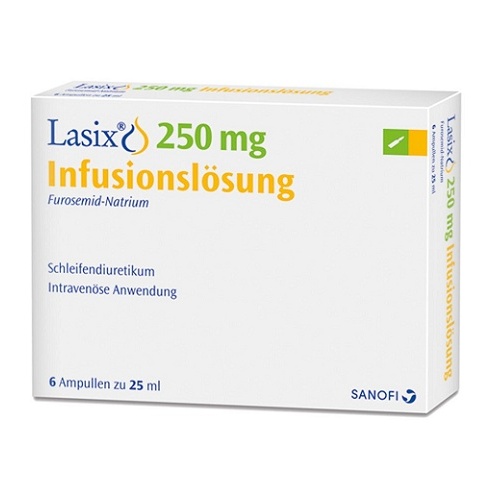
Can Lasix Be Bought Without a Prescription in the United States?
Lasix (furosemide) is a prescription-only medication in the United States. You cannot legally buy Lasix without prescription at any licensed pharmacy or online pharmacy operating within U.S. regulations. Purchasing Lasix online from unregulated sources may be unsafe and is not recommended.
Key Takeaways: What to Know Before Considering Lasix in the United States
- Lasix is used primarily to treat edema (fluid retention) related to heart failure, liver disease, or kidney disorders.
- A valid prescription from a licensed U.S. healthcare provider is required to buy Lasix or order Lasix online from a legal pharmacy.
- Most patients notice an effect within the first hour, but improper use can lead to serious side effects.
- Lasix may not be suitable for everyone, especially those with severe kidney or liver problems, or certain electrolyte imbalances.
- If you experience rapid weight gain, severe dehydration, or confusion while taking Lasix, seek medical attention immediately.
- Consult your physician to determine if Lasix is the best option and to discuss safer or more affordable alternatives if needed.
How Does Lasix Work? The Science Behind Furosemide
Lasix (furosemide) is a loop diuretic, which means it acts on the Na⁺-K⁺-2Cl⁻ co-transporter in the thick ascending limb of the loop of Henle in the kidney. By inhibiting this transporter, Lasix blocks the reabsorption of sodium, chloride, and potassium ions. This causes a marked increase in urine output (diuresis), which helps remove excess fluid from the body and lowers blood pressure.
The effect also reduces blood volume, helping to decrease swelling (edema) and reduce the burden on the heart in conditions like congestive heart failure. Lasix works independently of hormonal triggers and acts directly on the kidney’s transport proteins.
Metaphor: Imagine your kidneys as complex water filters. Lasix “opens the floodgates,” causing more water and salt to flow out, which relieves swelling and pressure.
Lasix does not cure the underlying disease—rather, it manages symptoms by controlling fluid overload.
Why Patients Sometimes Misjudge Lasix Results: A Physician’s Insight
As a doctor, I often see patients expect immediate and dramatic resolution of all their swelling or breathing difficulties after starting Lasix. In reality, while urination often increases quickly, the visible reduction in edema and improvement in breathing can be more gradual. Some patients mistakenly believe the medication isn’t working if they don’t see overnight changes, or they measure success solely by their weight on the scale. It’s important for patients to understand that the real markers of success are not just urine output, but also improved comfort, easier breathing, and better exercise tolerance. Patients rarely ask about monitoring electrolytes or kidney function, but these are crucial for safety and long-term benefit.
How to Take Lasix: Dosage, Timing, and Duration of Action
In adults, the typical starting dose of Lasix for edema is 20–40 mg taken once daily. Depending on the response, the doctor may adjust the dose in increments of 20 mg, not exceeding 600 mg per day in severe cases. For hypertension, the usual starting dose is 40 mg twice daily. Pediatric dosing is based on body weight and must be determined by a physician.
- Take Lasix in the morning to avoid nighttime urination.
- Tablets can generally be split, but always confirm with your pharmacist, as some formulations should not be divided.
- The effect begins within 30–60 minutes after oral administration and peaks at 1–2 hours. The diuretic effect lasts about 6–8 hours.
- Dose adjustments may be necessary for elderly patients or those with kidney/liver impairment—always follow your doctor’s instructions.
- Never exceed the prescribed dose. Overdosing can cause severe dehydration, electrolyte disturbances, or kidney injury.
How Does Food, Alcohol, and Lifestyle Affect Lasix?
- Food can slow down absorption but does not affect the overall amount absorbed. For a faster effect, take Lasix on an empty stomach.
- Alcohol is not recommended while on Lasix. Both substances can cause dehydration, low blood pressure, and increase the risk of fainting or kidney problems. Combining them increases these risks significantly.
- Grapefruit juice does not have a known interaction with Lasix, but it’s always wise to discuss any new foods or supplements with your doctor.
- Maintain a diet high in potassium (unless told otherwise), as Lasix causes potassium loss.
- Stay hydrated and avoid excessive sun exposure, as Lasix increases the risk of dehydration.
Who Should Not Take Lasix? Absolute and Relative Contraindications
- Absolute contraindications:
- Severe allergy to furosemide or sulfa drugs.
- Anuria (inability to produce urine).
- Severe electrolyte depletion (hypokalemia, hyponatremia).
- Hepatic coma or severe liver failure.
- Pre-existing severe hypotension (very low blood pressure).
- Relative contraindications (use with caution):
- Mild or moderate kidney impairment—dose may need adjustment.
- Gout—Lasix can increase uric acid levels.
- Diabetes—Lasix may affect blood sugar control.
- Pregnancy and breastfeeding—use only if clearly needed and prescribed.
Lasix should not be started within the first week after a heart attack unless specifically directed by a physician due to risks of unstable blood pressure and electrolyte shifts.
What Side Effects Are Most Common With Lasix?
- Very common (>1/10):
- Increased urination (polyuria)
- Electrolyte changes: low potassium, sodium, magnesium, or calcium
- Dehydration
- Common (>1/100 to <1/10):
- Dizziness, headache, weakness
- Muscle cramps
- Increased blood sugar
- Increased uric acid (risk of gout)
- Rare (>1/10,000 to <1/1,000):
- Hearing disturbances or ringing in the ears (especially with rapid IV use)
- Severe allergic reactions
- Pancreatitis
- Very rare:
- Severe skin reactions (Stevens-Johnson syndrome)
- Aplastic anemia
- Acute kidney injury
If you experience confusion, fainting, severe muscle cramps, unusual tiredness, or hearing changes, stop the medication and seek immediate medical care. Most side effects are dose-dependent and can be minimized by regular monitoring and adherence to prescribed dosages.
Common Mistakes Patients Make With Lasix: How to Avoid Them
- Taking Lasix late in the day: This often leads to interrupted sleep due to frequent urination. Solution: Take your dose early in the morning unless specifically instructed otherwise.
- Not monitoring weight and symptoms: Patients forget to track their weight or swelling, missing early signs of fluid retention or dehydration. Solution: Weigh yourself daily and keep a symptom diary, as advised by your healthcare provider.
- Stopping Lasix abruptly: Some patients discontinue Lasix once they feel better, risking rapid fluid buildup. Solution: Only adjust or stop the medication under direct doctor supervision.
- Skipping labs: Not getting regular blood tests for electrolytes and kidney function can lead to preventable complications. Solution: Always follow up with your scheduled laboratory monitoring.
- Self-adjusting dosage: Increasing or decreasing the dose without medical advice can lead to under-treatment or dangerous side effects. Solution: Never change your dose unless told to by your prescriber.
- Ignoring salt and fluid advice: Eating salty foods or drinking too much (or too little) fluid can counteract the medication’s benefits. Solution: Follow your doctor or dietitian’s recommendations on salt and fluid intake.
Lasix vs. Alternatives: How Does It Compare?
Several diuretics are commonly used for edema and hypertension in the United States. Below, you’ll find a structured comparison:
| Drug | Class | Onset of Action | Duration | Typical Side Effects | Approx. Price (per tablet)* |
|---|---|---|---|---|---|
| Lasix (Furosemide) | Loop diuretic | 30–60 min (oral) | 6–8 hours | Dehydration, electrolyte loss, dizziness | $0.20–$1.50 |
| Bumex (Bumetanide) | Loop diuretic | 30–60 min (oral) | 4–6 hours | Electrolyte loss, muscle cramps | $1.00–$4.00 |
| Hydrochlorothiazide (HCTZ) | Thiazide diuretic | 1–2 hours | 6–12 hours | Low potassium, increased uric acid | $0.10–$0.50 |
*Prices current as of 2026 and may vary by pharmacy, city, or insurance coverage.
- Lasix is generally the drug of choice for rapid and potent fluid removal, particularly in cases of significant heart, liver, or kidney-related edema.
- Other options like bumetanide may be preferred in cases of furosemide resistance or allergy, but are typically more expensive.
- Thiazide diuretics are more often used for long-term blood pressure control rather than severe edema.
Lasix Product Information at a Glance
| Parameter | Value |
|---|---|
| Active Ingredient | Furosemide |
| Typical Oral Dose Strengths | 20 mg, 40 mg, 80 mg tablets |
| Formulations | Tablets, Oral Solution, IV Injection |
| Onset of Action (Oral) | 30–60 minutes |
| Duration of Effect | 6–8 hours |
| Storage | Room temperature, away from moisture and sunlight |
| Prescription Required (U.S.) | Yes |
| Available Generics | Yes (multiple manufacturers) |
Lasix Compatibility Checklist: What Can It Be Combined With?
| Product Type | Combine? | Consequences |
|---|---|---|
| ACE inhibitors (e.g., Lisinopril) | With caution | May increase risk of low blood pressure and kidney dysfunction |
| NSAIDs (e.g., Ibuprofen) | Not recommended | May blunt diuretic effect and harm kidneys |
| Potassium supplements | Usually yes (if prescribed) | Helps prevent hypokalemia |
| Digoxin | With monitoring | Low potassium increases risk of toxicity |
| Alcohol | No | Increases dehydration, blood pressure drop, risk of fainting |
| Other diuretics | With caution | Risk of excessive fluid/electrolyte loss |
| Grapefruit juice | Yes | No known interaction |
How Is Lasix Processed in the Body? Pharmacokinetics Explained Simply
After oral administration, Lasix is absorbed in the intestines, though absorption ranges from 50% to 70%. Peak blood plasma levels occur within 1–2 hours. The drug is primarily metabolized in the kidneys and excreted unchanged in the urine. A small portion is metabolized in the liver.
The half-life of Lasix is approximately 1.5–2 hours in healthy adults but can be prolonged in severe kidney or liver disease. This short half-life is why the effect is rapid and relatively brief.
Corner Cases: Special Considerations for Certain Patient Groups
- Elderly: Start at lower doses due to increased sensitivity and higher risk of dehydration.
- Renal impairment: Dosing must be individualized; paradoxically, higher doses may be needed in advanced kidney disease, but risk of toxicity rises.
- Hepatic impairment: Risk of hepatic encephalopathy increases. Careful monitoring is essential.
- Diabetics: Monitor blood sugar closely—Lasix can worsen glycemic control.
- Pregnancy and breastfeeding: Use only if clearly needed and benefits outweigh risks. May suppress lactation.
- Driving and machinery: Dizziness and hypotension can impair ability. Do not drive or operate heavy machinery until you know how Lasix affects you.
- Fertility: No strong evidence that Lasix impairs fertility, but severe electrolyte disturbances can indirectly affect reproductive health.
Original Lasix vs. Generics: Are There Differences?
Original Lasix refers to the branded version made by the innovator pharmaceutical company. Generic furosemide is produced by various manufacturers after the original patent expired. Both must meet strict U.S. FDA standards for bioequivalence, meaning their effectiveness and safety are comparable.
- Advantages of generics: Considerably more affordable, widely available, covered by insurance plans.
- Inactive ingredients (excipients): Generics may contain different fillers, dyes, or binders. Rarely, allergic or intolerance reactions occur—always check the ingredient list if you have known sensitivities.
- Counterfeit risk: Generics bought from licensed U.S. pharmacies are as safe as originals. Counterfeit risk rises sharply with unregulated online sources.
Bottom line: Most patients can safely purchase Lasix generic and achieve the same therapeutic effect as with the branded product, at a Lasix cheap price.
How to Identify Genuine Lasix (Quality Assurance)
- Packaging: Original Lasix tablets come in blister packs with clear labeling, batch number, and expiration date.
- Color/Shape: Typically white, round or oval tablets, with “Lasix” and the strength engraved.
- Manufacturer’s mark: Look for the manufacturer’s logo and FDA-approved labeling.
- Anti-counterfeit features: Newer packaging may include QR codes or holographic seals—scan codes with your smartphone to verify.
- Unusual appearance: Tablets that are chipped, discolored, or in damaged packaging may be counterfeit or compromised.
- Price: If an offer to buy Lasix online appears too cheap, it may be a counterfeit or non-equivalent product.
If in doubt, consult your pharmacist or contact the manufacturer for verification.
Step-by-Step: How to Get Lasix Legally in the United States
- Consultation: Schedule an appointment with a U.S.-licensed healthcare provider (in-person or via telehealth).
- Medical assessment: Your doctor will review your symptoms, examine you, and order lab tests (electrolytes, kidney function) if appropriate.
- Prescription: If Lasix is indicated, your provider will issue a prescription in accordance with national and state regulations.
- Fulfillment: Take your prescription to a licensed pharmacy (brick-and-mortar or verified online pharmacy). Present your insurance card to determine if Lasix is covered.
- Pharmacy counseling: A pharmacist will review dosage, side effects, and interactions, and answer your questions.
- Follow-up: Arrange for regular follow-up visits and lab monitoring, as advised by your doctor.
Buying Lasix Online in the United States: How to Stay Safe
- Only use online pharmacies accredited by the National Association of Boards of Pharmacy (NABP) and displaying the VIPPS seal.
- A legal online pharmacy will always require a valid U.S. prescription before they allow you to order Lasix.
- Look for a physical U.S. address and a state pharmacy license number on the website.
- Be wary of sites offering to sell Lasix without prescription. These are likely illegal and may sell counterfeit or unsafe products.
- Customer service should be available and able to answer questions in English.
- Check for secure payment options (HTTPS), clear privacy policies, and transparent return policies.
How to Spot Counterfeit Lasix and Avoid “Grey Market” Risks
- Packaging differences: Counterfeit products may have spelling errors, missing batch numbers, faded colors, or blurry printing.
- Tablet inconsistencies: Size, shape, or color that differs from known authentic products is a red flag.
- Suspiciously low price: Offers to buy Lasix cheap online without prescription from unverified sellers are often scams.
- Generics vs. counterfeits: Generics are FDA-approved; counterfeits are illegal, untested, and may contain no furosemide or harmful substitutes.
- Verification steps: If unsure, verify the NDC number (National Drug Code) and batch number with the manufacturer or the FDA’s online resources.
Myth vs. Reality: What You Need to Know About Lasix Treatment
- Myth: “Lasix works instantly and removes all swelling in one dose.”
Reality: The effect may begin within an hour, but full benefits take days, especially in severe edema. Monitoring and adjustment are crucial. -
Myth: “Buying Lasix online without prescription is harmless.”
Reality: Counterfeit or improperly sourced Lasix can be ineffective or dangerous. U.S. law prohibits dispensing without a valid prescription.
Overdose: What to Do If You Take Too Much Lasix
- Stop taking Lasix immediately.
- Call 911 or U.S. emergency services without delay.
- Inform medical staff how much Lasix you took and when.
- Expect monitoring of vital signs, electrolytes, and kidney function in the emergency department.
- Bring the medication packaging with you, if possible.
Symptoms of overdose include extreme thirst, confusion, fainting, muscle weakness, rapid or irregular heartbeat, and inability to urinate.
Psychological Support: Managing Edema Is Common and Treatable
Edema due to heart, liver, or kidney problems is a common and manageable condition. It’s normal to feel anxious about starting a new medication. Do not hesitate to discuss your concerns openly with your healthcare team—or with loved ones. Support can make a significant difference in long-term outcomes.
Questions Patients Often Ask Their Doctor About Lasix Therapy
- How quickly can I expect to feel better after starting Lasix?
- Most patients notice increased urination within an hour of the first dose, but improvement in swelling or breathing may take a few days. We track fluid loss, weight, and symptom improvement rather than expecting “overnight” changes.
- What should I do if my swelling returns despite taking Lasix as prescribed?
- This could mean your condition is progressing or you’ve developed resistance to the drug. Contact your doctor promptly. Sometimes, we’ll adjust the dose, switch to another diuretic, or evaluate for new underlying issues.
- Is it safe to take other medications for blood pressure or heart failure with Lasix?
- Often, yes—but these combinations require careful monitoring for blood pressure drops or electrolyte disturbances. Always inform your provider about all other medications and supplements you’re taking.
- How will my doctor monitor my progress on Lasix?
- We typically check your weight, blood pressure, and symptoms at every visit. Routine blood tests are ordered to monitor electrolytes and kidney function, especially in the first weeks of therapy or after dose changes.
- Will I need to stay on Lasix forever?
- Not always. Duration depends on the cause of your edema and your response to therapy. Some patients need long-term diuretics, while others can taper off as their underlying condition improves or stabilizes.
- How do I know if Lasix is causing side effects or if my underlying condition is getting worse?
- It can be challenging to separate the two. Common side effects like dizziness or cramps are usually dose-related, but severe symptoms (confusion, fainting, rapid heartbeat) warrant immediate medical attention. When in doubt, contact your doctor for assessment.
Frequently Asked Questions (FAQ) About Lasix in the United States
Q: Can I buy Lasix in the United States without prescription?
A: No. Lasix is a prescription-only medication in the U.S. Purchasing Lasix without prescription from unauthorized sellers is illegal and potentially unsafe.
Q: Is it possible to order Lasix online legally?
A: Yes, but only through licensed online pharmacies that require a valid prescription. Look for the VIPPS seal and a verified U.S. address before placing an order Lasix online.
Q: How much does Lasix cost in the pharmacy?
A: Generic Lasix (furosemide) typically costs $0.20–$1.50 per tablet, depending on strength, pharmacy, and whether you have insurance. Branded versions may be more expensive.
Q: What is the difference between buying Lasix and buying a generic furosemide?
A: Both contain the same active ingredient and are equally effective. Generics are usually more affordable and covered by most insurance plans in the United States.
Q: What happens if I miss a dose of Lasix?
A: Take the missed dose as soon as you remember, unless it’s close to your next scheduled dose. Never double up. If unsure, consult your doctor or pharmacist.
Q: Can Lasix be used for weight loss?
A: No. Lasix is not approved for weight loss and using it for this purpose can be dangerous, leading to dehydration and electrolyte imbalance.
Q: Can I take Lasix if I have kidney problems?
A: Yes, in many cases, but dosing and monitoring need to be individualized. Your doctor will decide the safest approach based on your kidney function.
Q: How long should I take Lasix?
A: Duration varies by diagnosis. Some patients need Lasix for a short-term flare of fluid retention; others require lifelong therapy. Regular re-evaluation is important.
Q: Does Lasix interact with blood pressure medications?
A: Yes, especially with other antihypertensives and ACE inhibitors. Your healthcare provider will coordinate your regimen and monitor for low blood pressure.
Q: How can I find an affordable source to purchase Lasix in United States?
A: Ask your doctor or pharmacist about generic options, compare prices at different pharmacies, and check if your insurance plan covers Lasix or its generic.
Professional Clinical Judgement: When Is Lasix the Right Choice?
In my clinical experience, Lasix provides significant benefit for patients with moderate to severe edema due to heart failure, kidney dysfunction, or advanced liver disease—especially when rapid and potent diuresis is needed. It’s particularly valuable for those with pulmonary congestion or symptomatic volume overload unresponsive to lifestyle changes or milder diuretics. Conversely, patients with mild high blood pressure or slight swelling may be better served by thiazide diuretics or non-pharmacologic strategies, given Lasix’s higher risk of electrolyte depletion and rapid fluid shifts. I carefully consider Lasix for patients with baseline low blood pressure, advanced kidney or liver disease, or a history of electrolyte imbalances, as risks can outweigh benefits in these groups. Frequent reassessment is key; if a patient develops resistance, significant side effects, or fails to achieve symptom control, I explore alternative therapies or combination regimens. Ultimately, Lasix remains a mainstay in U.S. practice for the management of serious fluid overload—but requires individualized, closely monitored use.
References
- U.S. Food & Drug Administration (FDA). Lasix (furosemide) Drug Information. Accessed 2026. https://www.fda.gov/drugs
- Mayo Clinic. Furosemide (Oral Route) Use and Side Effects. Accessed 2026. https://www.mayoclinic.org/drugs-supplements/furosemide-oral-route
- National Institutes of Health, MedlinePlus. Furosemide. Accessed 2026. https://medlineplus.gov/druginfo/meds/a682858.html
- American Heart Association. Heart Failure Treatment Guidelines. Accessed 2026. https://www.heart.org/
- National Association of Boards of Pharmacy (NABP). Pharmacy Accreditation. Accessed 2026. https://nabp.pharmacy/programs/accreditations/
- Chin MH, et al. “Comparative Effectiveness of Loop Diuretics in Hospitalized Heart Failure Patients.” JAMA Cardiology, 2024. https://pubmed.ncbi.nlm.nih.gov/
- ClinicalTrials.gov. Furosemide Safety and Efficacy Trials. Accessed 2026. https://clinicaltrials.gov/