
- Home/
- Buy Propecia Without Prescription in the United States Online
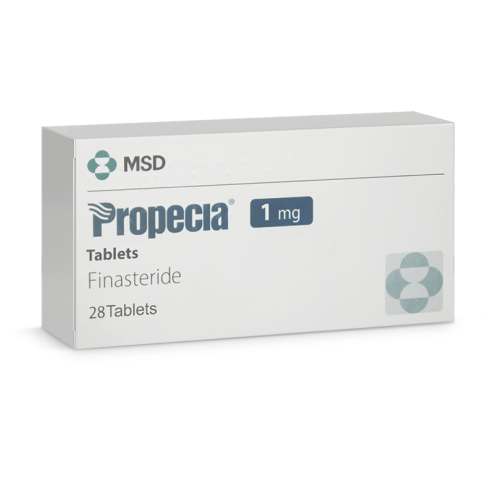
| Brand Name | Propecia |
|---|---|
| Main Active Substance | Finasteride |
| Therapeutic Use | Male pattern hair loss (androgenetic alopecia) |
| Strengths Offered | 1 mg tablets |
| How Soon It Starts Working | Results typically observed after 3 to 6 months of daily use |
| How Long Effects Last | Continues as long as medication is taken; hair loss resumes if stopped |
| Prescription Requirement in United States | Prescription-only under FDA regulations |
| Approximate Price Range in United States | $70–$90 for 30 tablets (1 mg), varies by pharmacy and insurance |
Propecia for Hair Loss: Your Options in the United States
Propecia is a prescription medication that addresses hair loss in men, specifically androgenetic alopecia. Its active ingredient, finasteride, targets the underlying biological cause of male pattern baldness, and is legally available for purchase in the United States through licensed pharmacies. For those seeking a reliable and regulated way to manage hair thinning or receding hairlines, Propecia remains a recognized option under the oversight of the U.S. Food and Drug Administration (FDA).
The Reality of Hair Loss: How Common and Solvable Is It?
Hair loss is far more common than many realize, and it is not an isolated issue or a personal failing. According to the American Academy of Dermatology Association (AADA), as of 2022, approximately 50 million men in the United States experience some degree of male pattern baldness—a form of hereditary hair loss known as androgenetic alopecia. Nearly half of men will notice thinning hair by age 50. Though the emotional impact can be significant, this condition is both medically understood and manageable, with several treatment paths available. Recognizing the scope of the problem is the first step toward informed action.
How Propecia Works: From Biology to Results
Propecia acts at the root of male pattern hair loss by targeting a specific hormone—dihydrotestosterone (DHT). DHT is a derivative of testosterone that, in genetically susceptible men, causes hair follicles to shrink and eventually stop producing visible hair. Finasteride, Propecia’s active ingredient, inhibits the enzyme 5-alpha-reductase type II, which is responsible for converting testosterone to DHT.
- Mechanism: By lowering DHT levels in the scalp, Propecia slows hair follicle miniaturization, allowing existing hair to remain longer and, in many cases, promoting regrowth.
- Practical outcome: Most users notice a halt in further hair loss within 3 to 6 months of daily use, with hair regrowth possible in some cases after prolonged therapy.
According to U.S. FDA-reviewed clinical trials, about 65% of men had visible improvement in hair count or density after one year of treatment. However, effects will only persist with continued use; discontinuing the medication leads to reversal of benefits within 6 to 12 months. The practical result: Propecia offers a chance to maintain, and sometimes enhance, scalp coverage in men with hereditary hair loss, providing a sense of control over a process that otherwise feels inevitable.
Who Should—and Should Not—Use Propecia? Personalizing the Choice
| Situation | Is Propecia Suitable? | Why |
|---|---|---|
| Male over 18 with early or moderate hair thinning at the crown or mid-scalp | Yes | Responds best when started early; slows progression and may regrow some hair |
| Male with advanced, long-standing baldness (shiny scalp, no visible hair) | Unlikely | Propecia cannot revive dead follicles; may not produce meaningful results |
| Male experiencing hair loss after starting a new medication or sudden stress | Not recommended immediately | Other causes should be ruled out; Propecia targets genetic hair loss, not all types |
| Men planning to conceive children soon | Discuss with doctor | While not absolutely contraindicated, there are reproductive considerations |
| Women and children | No | Propecia is not approved for use in women or individuals under 18 |
These scenarios reflect real-life decisions. Propecia is not a universal solution, but for men at specific stages of hereditary hair thinning, it can play a pivotal role. Always consult with a healthcare provider to ensure the option fits your individual circumstances, especially if your hair loss pattern is unusual or sudden.
Practical Use: What to Expect Day to Day
- How to take: One 1 mg tablet daily, with or without food, at a consistent time.
- If you miss a dose: Take the next dose as scheduled. Do not double up; missing occasional doses is unlikely to impact results if overall adherence is good.
- When to expect results: Most men see stabilization of hair loss within 3 months, with visible regrowth possible after 6–12 months of continuous use.
- If it doesn’t work: If there is no response after a full year, ongoing use is less likely to help. Other options may be considered in this scenario.
- Stopping treatment: Discontinuation usually leads to a return of hair loss within 6–12 months, erasing gains made during treatment.
- What’s normal: Shedding can sometimes increase in the first few months before stabilizing. This is usually temporary and part of the hair growth cycle resetting.
- What’s not normal: Rapid, patchy hair loss or widespread symptoms such as a rash, swelling, or mood changes should prompt medical attention.
Consistent daily dosing is key. Skipping or stopping treatment interrupts the benefit. While the daily commitment may seem daunting, many users find it easily integrates into their routine, especially once results begin to show.
Safety Profile: Contraindications, Side Effects, and Interactions
Who Should Not Use Propecia?
There are specific groups for whom Propecia is not appropriate:
- Women and children: Propecia is not indicated for use in women or anyone under 18, because its effects on female or juvenile physiology are not fully studied and it can cause birth defects if handled by pregnant women.
- Men with allergy to finasteride: Anyone with a known hypersensitivity to this medication should avoid it to prevent allergic reactions, which can include rash or swelling.
- Men with liver disease: Since finasteride is metabolized in the liver, those with severe liver impairment should not use it without specialist oversight, due to increased risk of side effects or toxicity.
These restrictions are rooted in safety and biological risk mechanisms—not arbitrary rules. Discuss your full medical history with a healthcare provider before starting Propecia, especially if you have underlying health concerns.
What Side Effects Might Occur?
Most users tolerate Propecia well, but some side effects have been documented.
- Common (generally mild and often resolve with continued use):
- Decreased libido
- Erectile dysfunction
- Reduced ejaculate volume
- Uncommon but documented:
- Breast tenderness or enlargement
- Testicular pain
- Mood changes or depression
- Rare and requires prompt medical attention:
- Persistent sexual dysfunction after stopping the drug
- Signs of allergic reaction (hives, swelling of lips or face, trouble breathing)
- Breast lumps or nipple discharge (report promptly—could indicate a more serious issue)
If you experience any severe allergic reaction or difficulty breathing, contact emergency services immediately using the U.S. Poison Help line: 1-800-222-1222.
It’s important to remember most side effects are reversible and many men experience none at all. If any symptoms are persistent or troubling, discuss them with your healthcare provider for tailored advice.
Medication Interactions: What to Avoid?
Propecia (finasteride) is less prone to major drug interactions than many other oral medications, but there are still some important considerations:
- Other 5-alpha-reductase inhibitors: Do not combine Propecia with drugs such as dutasteride, as this increases the risk of side effects without added benefit.
- Herbal supplements for hair loss: Some, such as saw palmetto, may have mild additive effects; clinical data is limited, so caution and disclosure to your doctor is wise.
- Blood test considerations: Propecia lowers PSA (prostate specific antigen) readings, so inform your healthcare provider if you undergo prostate cancer screening to avoid misinterpretation of results.
If you are taking multiple prescription medications, reviewing the full list with your provider ensures safe and effective use of Propecia.
Alternatives and Honest Comparison: Is There Something Better?
| Option | Mechanism | Effectiveness | Suitability |
|---|---|---|---|
| Propecia (finasteride) | Blocks DHT; oral daily | Most effective for early/moderate male pattern hair loss; 65% see improvement | Men with hereditary hair loss, early to moderate stage |
| Minoxidil (Rogaine) | Topical vasodilator; increases blood flow to follicles | Moderate; less effective than finasteride for crown thinning, but suitable for broader use | Men and women; any stage |
| Dutasteride | Similar to finasteride; blocks more DHT types | May be slightly more potent, but not FDA-approved for hair loss in the U.S. | Off-label use only; discuss with physician |
| Hair transplant | Surgical relocation of hair follicles | Permanent results, but costly and invasive | Best for advanced cases or those seeking a permanent solution |
| No treatment | – | Hair loss will progress | For those with minimal concern or contraindications to medication |
Propecia is a strong first-line choice for men with early to moderate hereditary hair loss who seek a non-invasive, ongoing solution. For women, or those with other causes of hair loss, topical minoxidil or alternative therapies are preferred. For advanced cases where medication yields little response, surgical options may be the next step. Honest assessment of your stage and expectations is key to satisfaction—a conversation with a qualified hair loss specialist is often clarifying.
How to Buy, Order, or Access Propecia in United States
When you’re ready to buy Propecia, you have several routes. In the United States, the FDA classifies finasteride as a prescription medication, meaning that a licensed healthcare provider needs to approve its use before you can purchase Propecia from a pharmacy. However, there are now streamlined online options where you can order Propecia after a remote consultation. These telehealth services often include the prescription and delivery together, making it easier to obtain Propecia online without repeat visits to a doctor’s office.
Some websites advertise Propecia without prescription, but this is technically outside U.S. law and carries risks—counterfeit medications and lack of oversight. The safest way remains through a regulated U.S. pharmacy, whether brick-and-mortar or online. For those seeking Propecia cheap, prices vary by pharmacy, insurance coverage, and whether you choose branded or generic finasteride. Generics are FDA-approved and generally offer the same effectiveness at a more affordable rate. Below is a breakdown of what you might actually spend when you purchase Propecia in United States.
| Cost Item | Amount | Note |
|---|---|---|
| Doctor consultation (in-person or via telemedicine) | $0–$80 | Some online platforms include this for free with your first order |
| Prescription processing | $0–$25 | May be included in consultation or pharmacy fee |
| Propecia or generic finasteride (1 mg, 30 tablets) | $20–$90 | Wide range based on brand, pharmacy, insurance, or coupon use |
| Standard shipping (online orders) | $0–$10 | Many online services offer free shipping; check at checkout |
| Total | $20–$205 | Lower end: generic with free consultation; upper end: brand, full-cost visit |
To buy Propecia in United States, you may present your prescription at any licensed pharmacy or use a reputable online platform. If you are seeking to order Propecia online for convenience, ensure the provider is U.S.-licensed and compliant with FDA standards. Options for Propecia without prescription do exist but are not recommended due to safety and legal risks. For those interested in Propecia cheap, always compare prices and consider generic versions to access affordable options. The process typically includes a brief medical review, prescription, and then shipment discreetly to your door. Propecia in pharmacy chains like CVS or Walgreens is widely available, but prices can be higher than some online providers.
What Remains Unanswered? Final Practical Questions
- Is a prescription always required to purchase Propecia in United States? Yes. While some online outlets offer Propecia without prescription, this is not FDA-compliant. Telemedicine platforms can provide legally valid prescriptions remotely.
- Is it safe to buy Propecia online? Yes, if you use a U.S.-licensed online pharmacy or telemedicine service that requires a prescription. Avoid unverified sources to prevent counterfeit risks.
- Will insurance cover Propecia? Coverage varies. Most insurers do not cover Propecia for hair loss, but may cover generic finasteride for prostate conditions. Always check your plan.
- How do I switch from brand name to generic? Both are widely available in United States; your provider can write a prescription for finasteride, which the pharmacy will fill as either brand or generic depending on your request and availability.
- Can Propecia be used alongside other hair loss treatments? Yes, it is often combined with minoxidil (topical). Other combinations should be discussed with your doctor for safety and optimal outcome.
For any uncertainty about dosing, interactions, or persistent side effects, reach out to your prescriber or pharmacist. No online article replaces individualized medical advice. When in doubt, especially with new symptoms, professional guidance ensures your safety and the best outcome.