
- Home/
- Buy Clomid at Low Price Online in the United States
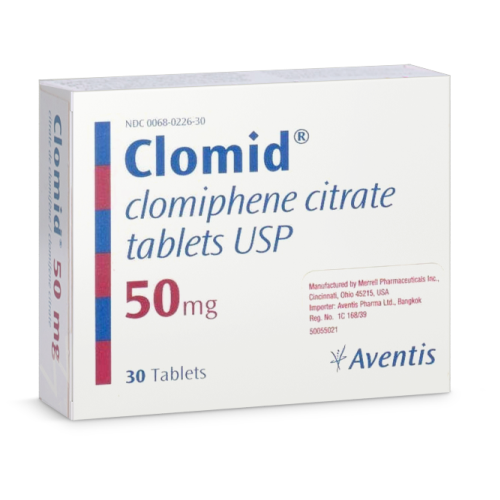
Why Clomid Is Often the First Step When Infertility Feels Overwhelming
You’re sitting in your doctor’s office, anxious and hopeful, after months—or maybe years—of trying. The word “infertility” sits heavy in the air. Then your doctor suggests Clomid. Not an expensive, high-tech treatment. Not a last resort. For many women, in United States and elsewhere, Clomid is the first medication mentioned when ovulation seems to be the missing piece.
Why is Clomid so often the opening move in treating female infertility? For one, it’s a pill, not an injection. Swallowed with water at home, not administered in a clinic. More importantly: for women whose main issue is irregular ovulation, Clomiphene—the active ingredient in Clomid—has been shown in robust clinical studies to kickstart ovulation in about 70% of cases, leading to pregnancy for many within a few cycles.
However, Clomid is not a cure-all. If there are additional factors—blocked fallopian tubes, low sperm count, advanced maternal age—it may not be enough. That’s why, in United States, infertility specialists will typically order basic tests before writing a Clomid prescription, ensuring it’s the right first step for your unique situation.
How Clomid Works in Real Life—And What Clomiphene Means for You
Clomid doesn’t force your body to ovulate; it nudges your system into waking up the process your brain was designed to start. Clomiphene, the heart of Clomid, tricks your brain into thinking estrogen is lower than it is. The brain responds by sending a surge of hormones (FSH and LH) that tell your ovaries to get to work.
This subtle shift makes Clomid both remarkably effective and, in some cases, unpredictable. About 7 out of 10 women with ovulatory dysfunction will respond with regular egg release. But response doesn’t guarantee pregnancy. Reasons range from timing to underlying issues Clomid can’t address.
- Ovulation Induction
- Using medication to stimulate your ovaries to release an egg during your menstrual cycle.
- Clomiphene
- The active ingredient in Clomid, classified as a selective estrogen receptor modulator (SERM), that prompts ovulation.
Many patients in United States expect Clomid to be a “magic bullet.” The reality is more nuanced. Some cycles work better than others. Some bodies respond quickly; others need dose adjustments or different medications entirely. Clomiphene’s impact is highly individual—one month can bring hope, another frustration.
What Taking Clomid Really Looks Like: From Prescription to Results
Getting a Clomid prescription in United States is not as simple as asking for it. Your doctor will review your cycle history, do blood tests, and sometimes recommend imaging. If Clomid is right for you, you’ll get a prescription—never legally sold over-the-counter. “Clomid without prescription” is widely searched online, but in United States, it’s a red flag for safety and legality.
Most begin Clomid early in their menstrual cycle, typically on days 3 through 7 or 5 through 9. The dose may start at 50 mg per day, increasing as needed. You’ll take the pill once daily for five days. Then, you’ll track ovulation—at home with test kits or via bloodwork and ultrasound at your clinic.
| Patient Scenario | Starting Dose | Maximum Dose | Cycle Days |
|---|---|---|---|
| First-Time Clomid User | 50 mg daily | 100 mg daily | Days 3–7 or 5–9 |
| No Response After 1st Cycle | 100 mg daily | 150 mg daily | Days 3–7 or 5–9 |
| Polycystic Ovary Syndrome (PCOS) | 50 mg daily | 150 mg daily | Days 3–7 or 5–9 |
Your doctor will guide dosing adjustments based on response and side effects. The maximum recommended treatment is usually six cycles, as longer use does not improve outcomes and may increase risks.
Clomid Versus Other Fertility Treatments: A Table for Real Decisions
| Attribute | Clomid (Clomiphene) | Letrozole | Injectable Gonadotropins |
|---|---|---|---|
| Mechanism of Action | Stimulates ovulation by blocking estrogen receptors | Inhibits estrogen production to increase FSH secretion | Directly stimulates the ovaries with FSH/LH hormones |
| Formulation | Oral tablet | Oral tablet | Subcutaneous/intramuscular injection |
| Prescription Needed in United States? | Yes | Yes | Yes |
| Typical Cost per Cycle | $10–$50 | $20–$50 | $1,000–$5,000 |
| Insurance Coverage | Common, but variable | Common, but variable | Less common; depends on plan |
| Effectiveness for PCOS | 60–80% ovulation; ~30% pregnancy | Similar or slightly higher pregnancy rates | High ovulation and pregnancy rates |
| Risks | Hot flashes, mood changes, multiple births | Fatigue, dizziness, lower risk of multiple births | Ovarian hyperstimulation, multiple births, high cost |
| Monitoring | Optional but recommended | Optional but recommended | Mandatory, frequent ultrasounds |
| Buy Online? | Buy Clomid online (with valid prescription only) | Order Letrozole online (prescription required) | Purchase gonadotropins through specialty pharmacies |
The differences here are not just technical. Clomid is easier to use, much less expensive, and less invasive than injectables. Letrozole, another oral option, has become more popular for certain patients (especially those with PCOS) and may have a slightly better pregnancy rate in some studies. However, Clomid’s long track record means many clinicians still start here.
Which Side Effects Matter Most with Clomid—and When to Act
If you’re anxious about side effects, you’re not alone. Clomid’s reputation is mostly earned: most women tolerate it well, but some feel unprepared for the emotional and physical changes it can bring. Hot flashes, mood swings, breast tenderness, and occasional headaches are common. The risk of twins or triplets is real—about 8–10% for twins, less than 1% for higher multiples.
Rare but serious reactions include changes in vision, severe pelvic pain, or symptoms suggestive of ovarian hyperstimulation syndrome (OHSS)—a potentially life-threatening condition. These are reasons to stop taking Clomid and call your doctor immediately.
| Side Effect | Frequency | When to Contact a Doctor |
|---|---|---|
| Hot flashes | ~10–20% | If severe or interfering with daily life |
| Mood changes | Up to 10% | If you feel unsafe or extremely anxious |
| Breast tenderness | ~5–10% | If associated with lumps or abnormal discharge |
| Visual changes | <2% | Stop Clomid immediately and contact your doctor |
| Severe pelvic pain | <1% | Rule out ovarian torsion or OHSS—seek care |
| Ovarian hyperstimulation syndrome (OHSS) | Rare (<1%) | Rapid weight gain, severe bloating, trouble breathing—seek emergency care |
| Twins or more | 8–10% for twins, <1% for higher multiples | Discuss risks and monitoring with your doctor |
Most side effects resolve after you complete the five-day course. But if you notice anything unusual—especially vision changes or pelvic pain—call your provider. Don’t wait for the next appointment.
“What surprises many patients is how quickly emotions can shift during a Clomid cycle. I always tell my patients: if you feel ‘off’ in a way you can’t explain, reach out. Sometimes it’s just the medication; sometimes it’s your body telling us something important. We want you to feel supported—not blindsided—during this journey.”
When Not to Take Clomid: The Warnings That Cannot Be Ignored
Absolute Contraindications—Never Take Clomid If:
- You are currently pregnant (clomiphene can harm the fetus).
- Unexplained abnormal vaginal bleeding is present (must be evaluated first).
- You have a history of liver disease or abnormal liver function tests.
- There is a known ovarian cyst not caused by polycystic ovary syndrome.
- You have a known hypersensitivity to clomiphene or any ingredient in Clomid.
Relative Contraindications—Caution Before Starting Clomid:
- Significant uterine fibroids: May affect pregnancy or complicate monitoring.
- Thyroid or adrenal gland dysfunction: These must be managed first.
- History of visual disturbances on prior Clomid cycles: Risk of progression with further use.
- Multiple failed cycles without ovulation: Consider alternative fertility medications.
Each of these situations has clinical nuances. For example, liver health matters because clomiphene is processed by the liver; problems here can lead to toxicity. Unexplained bleeding could signal a condition (like endometrial cancer) that needs identification before fertility drugs are started.
- If you are unsure about any of these conditions, insist on a clear discussion with your provider before you buy Clomid or start a cycle. Personalized safety outweighs convenience every time.
Buying Clomid in United States: Your Practical Access Guide
Here’s the reality: you cannot legally buy Clomid without prescription in United States. Any website offering Clomid online without a doctor’s evaluation is operating outside FDA regulations—and may sell counterfeit or unsafe drugs. That said, there are safe, legitimate pathways to order Clomid or purchase Clomid in pharmacy settings across United States.
- Traditional Local Pharmacies: Once you have a prescription from a licensed healthcare provider, you can buy Clomid in pharmacy locations nationwide. Generic clomiphene citrate is widely stocked and generally affordable.
- Online Pharmacies: Buying Clomid online is possible—but only from reputable, U.S.-licensed pharmacies that require a valid prescription. Check for NABP certification and avoid sites that promise Clomid without prescription or Clomid cheap without reviews or verifiable credentials.
- Mail-Order (Insurance Plans): Many health insurance plans partner with mail-order pharmacies for lower copays. You may be able to order Clomid through your plan’s preferred provider, often with expedited shipping.
“Clomid cheap” is a common search phrase, but in United States, prices are already competitive. The most cost-effective route is usually generic clomiphene, obtained in pharmacy settings or through your insurance plan’s mail-order pharmacy.
Some patients wonder: “Can I order Clomid for a friend or share leftover pills?” The answer is no—both for safety and legal reasons. Sharing prescription medications is strictly prohibited and puts both parties at risk.
Clomid FAQs Answered: Real Questions, Real Answers
- Can I buy Clomid online legally in United States?
- Yes, but only through licensed U.S. pharmacies that require a valid doctor’s prescription. Any site offering Clomid without prescription is illegal and potentially dangerous. Look for NABP-accredited pharmacies, and consult your doctor before placing an order.
- Is Clomid affordable without insurance?
- In most U.S. pharmacies, generic clomiphene is quite affordable—often $10–$50 per cycle. Insurance usually covers Clomid, but if you’re paying out of pocket, compare prices at different pharmacies or consider a mail-order service for the lowest cost.
- How quickly can I expect results after starting Clomid?
- Many women ovulate in the first cycle; some need dose adjustments or more time. Most pregnancies occur within the first three to six cycles if Clomid is going to work for you. If there’s no ovulation after a few cycles, your doctor will likely recommend a different approach.
- What are the chances of having twins or triplets on Clomid?
- About 8–10% of pregnancies with Clomid result in twins; higher-order multiples (triplets or more) are rare. Your doctor will monitor you to reduce this risk. Discuss any concerns about multiples before starting treatment.
- Why do some women not respond to Clomid?
- Response depends on the cause of infertility. Women with certain types of PCOS, thyroid disorders, or higher body weight may need a higher dose, a different medication such as Letrozole, or additional evaluation. Not all ovulatory dysfunction responds to Clomiphene.
- Is Clomid safe for everyone?
- No. Some women—such as those with liver disease, unexplained bleeding, or ovarian cysts—should not take Clomid. Always review your medical history thoroughly with your doctor before beginning treatment.
- What’s the difference between brand-name Clomid and generic clomiphene?
- Both contain the same active ingredient and work the same way. Generic clomiphene citrate is usually much cheaper and widely used in United States. Most fertility specialists recommend the generic unless there’s a specific reason to choose the branded version.
- What should I do if I miss a dose of Clomid?
- Take the missed dose as soon as you remember, unless it’s almost time for your next dose. Do not double up. If you’re unsure, call your doctor or pharmacist for advice. Missing a dose may reduce the effectiveness for that cycle.
Sources / References
- U.S. Food & Drug Administration (FDA) – Prescription Drug Information
- American Society for Reproductive Medicine – Practice Guidelines
- Clomid (clomiphene citrate) Prescribing Information, Sanofi, 2023
- Mayo Clinic – Infertility and Clomid
- Centers for Disease Control and Prevention – Infertility
- ClinicalTrials.gov – Ongoing and Completed Studies on Clomiphene
- Practice Committee of the American Society for Reproductive Medicine. Use of clomiphene citrate in the treatment of ovulatory disorders. Fertility and Sterility. 2017.