
- Home/
- Buy Glucophage Without Prescription in the United States Online
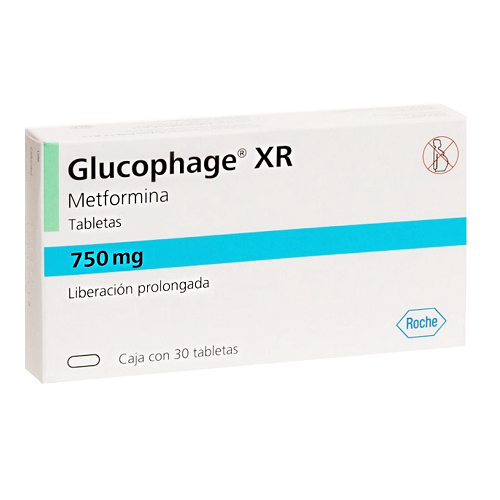
Glucophage in United States: Definitive Guide for Safe and Effective Use (2026 Edition)
Summary: Key Facts About Glucophage
- Active Ingredient: Metformin hydrochloride
- Main Use: Treatment of type 2 diabetes mellitus; sometimes used in polycystic ovary syndrome (off-label)
- Prescription Status (United States): Prescription required — Glucophage without prescription is illegal
- Regulatory Status: Approved by the U.S. Food and Drug Administration (FDA); latest update 2025
- Onset of Effect: 2–3 hours after oral administration
- Main Contraindication: Severe kidney impairment (eGFR <30 mL/min/1.73 m²)
- Typical Cost (2026): $10–$30 for 30 tablets (500mg) in United States pharmacies; generics are available and more affordable
- Insurance Coverage: Most private and Medicare/Medicaid plans cover metformin (Glucophage)
Can You Buy Glucophage Without a Prescription in United States?
No, you cannot legally obtain Glucophage without a prescription in the United States. Both federal law and state pharmacy regulations require a valid prescription from a licensed healthcare provider for this medication. Any website or pharmacy offering Glucophage without prescription is operating outside U.S. law and may be distributing counterfeit or unsafe products. For your safety and legal protection, always buy Glucophage through a registered United States pharmacy or a verified telehealth service.
How Does Glucophage Work in the Body? (Mechanism of Action Explained)
Glucophage, whose active ingredient is metformin, belongs to the biguanide class of oral glucose-lowering medications. Its primary action is reducing blood sugar levels in people with type 2 diabetes, but the way it works is a little more complex than just “lowering glucose.”
The main mechanism involves inhibition of hepatic gluconeogenesis — meaning it stops the liver from producing too much glucose. Metformin activates the enzyme AMP-activated protein kinase (AMPK), which acts as a metabolic “master switch” in the liver and muscle cells. This leads to:
- Reduced glucose production by the liver
- Increased insulin sensitivity in muscles and fat
- Improved uptake of glucose into muscle tissues
- Decreased intestinal absorption of glucose
Metaphor: Think of Glucophage as a thermostat for your blood sugar. It doesn’t add more insulin, but it tells your liver to stop pumping out excess sugar and helps your muscles soak up the sugar already in your blood.
Unlike some other diabetes medicines, Glucophage does not stimulate insulin secretion, which means it rarely causes low blood sugar (hypoglycemia) on its own.
Myth vs Reality: Myth: Glucophage works instantly. Reality: It usually takes several days to reach full effectiveness, and optimal blood sugar control may take 1–2 weeks.
For maximum effectiveness, regular dosing and accompanying lifestyle adjustments (diet, exercise) are recommended.
Standard Dosing: How to Take Glucophage Safely
| Patient Type | Recommended Starting Dose | Usual Maintenance Dose | Maximum Dose | Frequency |
|---|---|---|---|---|
| Adults (Type 2 Diabetes) | 500 mg once daily with evening meal | 1500–2000 mg per day (divided) | 2500 mg/day | 1–3 times per day |
| Older Adults (>80 years) | Individualized (start lower if possible) | Use with caution | Assess kidney function | Usually 1–2 times daily |
| Renal Impairment (eGFR 30–45) | 500 mg once daily | Max 1000 mg/day | Discontinue if eGFR drops <30 | 1–2 times per day |
- Do not exceed 2500 mg/day. Exceeding the maximum dose increases risk of severe side effects, including lactic acidosis.
- Tablets should be swallowed whole with water. Do not split or crush extended-release (XR) tablets.
- If you miss a dose, take it as soon as you remember, unless it’s almost time for your next dose.
Note: Always follow your healthcare provider’s instructions. Dosage may need to be adjusted depending on your blood sugar response and kidney function.
Food, Alcohol, and Daily Life: What Affects Glucophage Effectiveness?
With Food: Glucophage should be taken with meals to reduce the risk of gastrointestinal side effects (nausea, diarrhea). High-fat meals do not significantly affect absorption, but taking the medication on an empty stomach increases the chance of stomach upset.
Alcohol: Strict limitation required. Excessive alcohol increases the risk of a rare but serious side effect called lactic acidosis. “Social drinking” (1 standard drink/day for women, 2 for men) is generally acceptable, but it is safest to avoid alcohol when taking Glucophage, especially if you have liver or kidney issues.
Grapefruit Juice: No clinical evidence suggests an interaction between Glucophage and grapefruit juice (unlike with some other medications).
Everyday Life:
- Metformin does not cause drowsiness; driving and operating machinery is generally safe unless you experience hypoglycemia (rare with monotherapy).
- Regular exercise and dietary management enhance Glucophage’s effectiveness.
Bottom line: Take Glucophage with meals, limit alcohol, and maintain a healthy lifestyle for the best results.
Who Should Avoid Glucophage? Main Contraindications
- Absolute Contraindications (Never Use):
- Severe kidney impairment (eGFR <30 mL/min/1.73 m²)
- Acute or chronic metabolic acidosis (including diabetic ketoacidosis)
- Known allergy to metformin or any ingredients in Glucophage
- Severe liver dysfunction
- Active alcohol abuse
- Recent or planned procedures involving iodinated contrast (stop before and after imaging as advised by your provider)
- Relative Contraindications (Use With Caution):
- Heart failure (especially if unstable or hospitalized)
- Elderly patients (>80 years), unless kidney function is confirmed normal
- Severe infection, dehydration, or hypoxia
- Pregnancy (only when benefits outweigh risks; usually other agents preferred)
- Breastfeeding
Why these restrictions? The main danger is lactic acidosis — a rare but potentially fatal build-up of lactic acid in the blood. Patients with poor kidney or liver function cannot clear metformin efficiently, raising this risk.
What Side Effects Are Most Common with Glucophage?
- Very Common (>1 in 10):
- Diarrhea (up to 20%)
- Nausea
- Abdominal discomfort
- Loss of appetite
- Common (1 in 100 to 1 in 10):
- Metallic taste in mouth
- Flatulence
- Mild weight loss (usually beneficial in type 2 diabetes)
- Rare (<1 in 1,000):
- Lactic acidosis (emergency: symptoms include rapid breathing, confusion, muscle pain, abdominal pain, unusual tiredness)
- Severe allergic reactions (skin rash, hives, swelling)
- Decreased vitamin B12 absorption (may lead to anemia with long-term use)
- Very Rare (<1 in 10,000):
- Hepatitis or liver dysfunction
What to do if you experience side effects? For mild stomach issues, try taking Glucophage with food or at a lower dose. If you notice muscle pain, rapid breathing, or unusual fatigue, stop taking Glucophage and seek immediate medical attention.
Remember: Glucophage rarely causes low blood sugar unless combined with other diabetes medications.
Glucophage vs Alternatives: Which Is Better?
| Medication | Onset | Duration | Main Side Effects | Typical Cost (per 30 tabs) | Prescription Required? |
|---|---|---|---|---|---|
| Glucophage (Metformin) | 2–3 hours | 12–18 hours | GI upset, rare lactic acidosis | $10–$30 (generic: $5–$10) | Yes |
| Sulfonylureas (e.g., glipizide) | 1–2 hours | 12–24 hours | Low blood sugar, weight gain | $15–$40 | Yes |
| DPP-4 inhibitors (e.g., sitagliptin) | 1–4 hours | 24 hours | Upper respiratory symptoms, rare pancreatitis | $350–$450 (generic: $180–$250) | Yes |
| SGLT2 inhibitors (e.g., empagliflozin) | 1–2 hours | 24 hours | Genital/UTI infection, dehydration | $500–$600 | Yes |
| GLP-1 agonists (e.g., semaglutide) | 4–8 hours (oral/injectable) | 1 week (weekly forms) | Nausea, vomiting, pancreatitis | $800–$1200 | Yes |
Expert Commentary: Glucophage is usually the first-line therapy for type 2 diabetes in the United States due to its robust evidence base, cardiovascular safety, low cost, and minimal risk of low blood sugar. However, alternatives may be added or substituted if Glucophage is not tolerated, is contraindicated, or fails to control blood sugar. Cost is a major factor: Glucophage is by far the most affordable option. GLP-1 agonists and SGLT2 inhibitors offer additional heart and kidney benefits, but at much higher prices.
Key Characteristics of Glucophage: Table Overview
| Active Ingredient | Metformin hydrochloride |
| Formulation | Immediate-release, extended-release tablets |
| Strengths | 500 mg, 850 mg, 1000 mg |
| Time to peak effect | 2–3 hours (immediate-release), 6–8 hours (XR) |
| Half-life (T1/2) | ~6 hours (elimination via kidneys) |
| Prescription Needed? | Yes, by U.S. law |
| Coverage | Medicare, Medicaid, most U.S. insurance plans |
Note: Generic metformin is pharmacologically equivalent to Glucophage but may differ in inactive ingredients.
How to Purchase Glucophage Legally in United States: Step-by-Step
- Consult a Healthcare Provider: Schedule an appointment with your primary care provider, endocrinologist, or a telehealth service registered in your state.
- Medical Evaluation: Your provider will assess your medical history, current medications, and perform blood tests (including kidney function and blood sugar levels).
- Prescription Issued: If no contraindications, your provider will prescribe Glucophage (metformin) at an appropriate dose.
- Choose a Pharmacy: Select a local pharmacy in your city or a verified online pharmacy operating within United States (FDA’s guidance on safe online pharmacies).
- Fill Your Prescription: Present your prescription in-person or electronically. Check with your insurer for coverage details.
- Pick Up or Receive Delivery: In most U.S. cities, you can pick up Glucophage the same day. Many pharmacies and telehealth services now offer home delivery options.
Tip: To buy Glucophage cheap, ask your provider about generics and check for pharmacy discount programs.
Buying Glucophage Online or in Pharmacy (United States Legal Guide)
Glucophage in United States is strictly regulated. According to current (2026) U.S. pharmacy laws:
- Prescription required: Every sale of Glucophage or metformin must be backed by a valid U.S. prescription.
- Licensed pharmacies only: Buy Glucophage in pharmacy chains such as CVS, Walgreens, or via reputable online pharmacies certified by the NABP Digital Pharmacy Accreditation. Look for the “VIPPS” or “Digital Pharmacy” seal.
- Buying Glucophage online is legal only from U.S.-licensed pharmacies. Importing Glucophage or ordering from foreign websites is illegal and risky — shipments may be seized by U.S. Customs and Border Protection, and the product may be counterfeit.
In short: For your safety and legal protection, only purchase Glucophage from registered U.S. pharmacies or telemedicine services.
Identifying Counterfeits and Safety Tips
- Packaging: Original Glucophage comes in sealed blister packs with the name, dosage, and manufacturer (Bristol-Myers Squibb or generic manufacturer). U.S. packaging includes an NDC number and lot number.
- Tablet appearance: 500 mg tablets are white, round, and may have “BMS 6060” or a similar engraving; generics may differ. Extended-release tablets are oblong and may be marked “500” or “XR.”
- Safety features: Some packages have QR codes or holograms. Verify suspicious products with your pharmacist.
- Price too low? Be wary of offers for Glucophage cheap from unverified sellers; extremely low prices often indicate counterfeiting.
Tip: If in doubt, have your Glucophage verified at a pharmacy in United States. Never use tablets that are broken, discolored, or not in their original packaging.
Original vs Generic Glucophage: What You Should Know
Original Glucophage and generic metformin are considered equally effective and safe by the FDA. Generics must meet strict standards for active ingredient content, dissolution, and purity.
- Difference: Generics might have different inactive ingredients (excipients) such as binders or coloring agents, which rarely cause allergic reactions in sensitive individuals.
- Cost advantage: Generic metformin is much more affordable than branded Glucophage; insurance typically covers both equally.
- Clinical effect: No major studies have found a difference in glucose-lowering effect or rates of side effects between original and generic products.
Bottom line: To purchase Glucophage affordably in United States, ask for generic metformin at your pharmacy. If you have allergies to certain excipients, request a product information leaflet before purchase.
Compatibility Check: Glucophage and Other Products
| Drug or Product | Can Be Combined? | Potential Consequences |
|---|---|---|
| Aspirin | Yes | No significant interaction |
| Insulin | Yes | May increase risk of low blood sugar (monitor closely) |
| Contrast dye (for imaging) | STRICTLY NO (temporarily) | Risk of kidney injury and lactic acidosis — stop Glucophage as advised before and after imaging |
| Alcohol | Limit | Increases risk of lactic acidosis |
| Other oral diabetes drugs (sulfonylureas, DPP-4 inhibitors) | Yes | May require dose adjustment; increased hypoglycemia risk with some |
| Birth control pills | Yes | No major interaction |
| Herbal supplements | Uncertain | Possible unpredictable effects; consult your provider |
Special Patient Groups and Glucophage Use
- Pregnancy: Glucophage crosses the placenta but is sometimes used in gestational diabetes if benefits outweigh risks. Insulin remains the preferred option during pregnancy.
- Breastfeeding: Small amounts enter breast milk. Most guidelines recommend caution or using alternatives.
- Older Adults: Greater risk of kidney dysfunction. Regular kidney monitoring is essential.
- Chronic liver or kidney disease: Use only if kidney function is normal; avoid in moderate-severe impairment due to risk of lactic acidosis.
- Impact on fertility: No evidence that Glucophage reduces fertility; in women with polycystic ovary syndrome (PCOS), it may actually improve ovulation rates.
- Driving and machinery: No direct impairment. Monitor for rare hypoglycemia when combined with other agents.
What to Do in Case of Overdose
- Stop taking Glucophage immediately.
- Call 911 or your local emergency services in United States.
- Provide details: how many tablets you took, what time, and any other medications or substances used.
- If possible, bring the medication bottle/packaging with you to the hospital.
- Do not attempt to induce vomiting unless instructed by a medical professional.
Symptoms of severe overdose include: rapid breathing, extreme tiredness, abdominal pain, confusion, and muscle pain. These may indicate lactic acidosis — a life-threatening emergency.
If Glucophage Isn’t Working: Next Steps
Not everyone responds the same way to Glucophage. If your blood sugar remains high after several weeks on the medication (with good adherence), or if you experience side effects, contact your healthcare provider. Never adjust your dose without medical supervision. Alternatives or combination therapy may be recommended.
Psychological Support When Managing Type 2 Diabetes
Living with type 2 diabetes can feel overwhelming. Know that millions of Americans share this journey — it’s normal to have ups and downs. Connecting with a diabetes educator, counselor, or a support group in your city can make a significant difference. Don’t hesitate to discuss your feelings, frustrations, or fears with your doctor or someone you trust.
“It’s OK to ask for help. You don’t have to manage diabetes alone.”
Frequently Asked Questions on Glucophage in United States
- Is it possible to buy Glucophage without prescription in United States?
- No, it’s illegal and unsafe. A prescription from a U.S. healthcare provider is required. Always purchase Glucophage in pharmacy settings or via licensed online pharmacies.
- How do I order Glucophage online legally?
- Use a licensed telehealth service or U.S.-accredited online pharmacy. After a virtual consultation and prescription, you can order Glucophage for delivery.
- What’s the typical price for Glucophage in United States?
- Generic metformin costs as little as $5–$10 per month; brand-name Glucophage may cost $10–$30. Insurance usually covers both.
- Can I get Glucophage cheap with insurance?
- Yes. Most insurance and Medicare/Medicaid plans cover generic metformin at a low copay. Ask your pharmacist or provider about discount programs.
- How long does Glucophage take to work?
- Initial effects begin within 2–3 hours, but full blood sugar control may take 1–2 weeks.
- Are there alternatives if I can’t tolerate Glucophage?
- Yes. Other oral or injectable diabetes agents are available. Your provider can recommend the best next step.
- What are signs of Glucophage overdose?
- Rapid breathing, severe fatigue, stomach pain, confusion, and muscle aches. This is an emergency — call 911 immediately.
- Can I take Glucophage with other diabetes medications?
- Often, yes, but it may increase the risk of low blood sugar with some agents (like insulin or sulfonylureas). Always consult your provider first.
- Is Glucophage safe during pregnancy?
- It’s sometimes used, but insulin is preferred. Discuss any plans for pregnancy with your doctor.
- Does Glucophage help with weight loss?
- Some people lose modest weight, but it’s prescribed for diabetes, not primarily for weight loss.
References
- United States Food and Drug Administration. “Glucophage (metformin hydrochloride) Label Information.” Last updated 2025. Read official FDA label
- American Diabetes Association. “Standards of Medical Care in Diabetes—2026.” Diabetes Care, 2026;49(Suppl 1):S1–S184. See ADA guidelines
- Inzucchi SE, et al. “Management of Hyperglycemia in Type 2 Diabetes, 2024 Update.” Diabetes Care, 2024;47(8):1059–1072. View PubMed article
- U.S. National Library of Medicine. “Metformin.” MedlinePlus, 2026. Read MedlinePlus entry
- Lipska KJ, et al. “Potential Dangers of Metformin Use in Chronic Kidney Disease.” JAMA, 2024;331(12):1139–1147. JAMA article
- U.S. Centers for Medicare & Medicaid Services. “Prescription Drug Coverage – What’s Covered.” Read more