
- Home/
- Buy Zithromax at Low Price in the United States
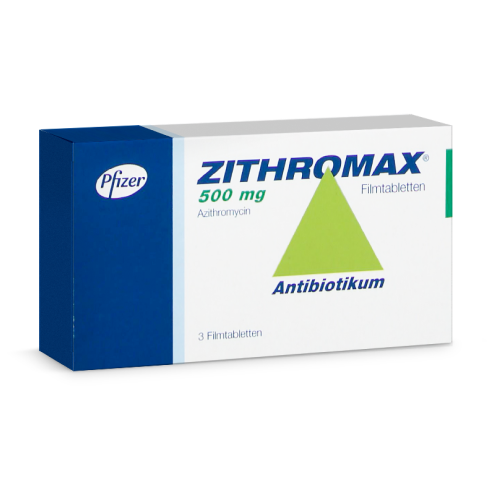
Zithromax (Azithromycin) in United States: The Most Detailed Guide for Safe Use, Prescription, and Online Purchase
Can I buy Zithromax without a prescription in United States?
No, in United States, Zithromax (Azithromycin) is a prescription-only medication. It is illegal and unsafe to buy Zithromax without a prescription from a licensed healthcare provider.
Key Takeaways: What You Need to Know About Zithromax in United States
- Zithromax is an antibiotic used for infections caused by susceptible bacteria, including respiratory, skin, and sexually transmitted infections.
- It should only be taken after a consultation with a licensed healthcare provider in United States; self-medication can lead to dangerous complications.
- A valid prescription is required to purchase Zithromax in pharmacy or to order Zithromax online from any legitimate source within United States.
- Most people begin to notice improvement within 1–2 days, but the full course must be completed even if symptoms resolve early.
- Potential side effects include gastrointestinal upset and, rarely, severe allergic or cardiac reactions; seek immediate care for serious reactions.
- Never stop antibiotics early or use leftover Zithromax; doing so increases the risk of resistance and treatment failure.
How does Zithromax work in the body? (Mechanism of action explained)
Zithromax contains azithromycin, a macrolide antibiotic. Its primary action is the inhibition of bacterial protein synthesis. Specifically, azithromycin binds to the 50S ribosomal subunit of susceptible bacteria, blocking translocation steps required for peptide chain elongation. This interruption means the bacteria cannot produce vital proteins, leading to inhibition of cell growth and, at higher concentrations, bacterial death.
Simplified metaphor: Imagine bacteria as small factories that need to assemble products (proteins) to survive. Azithromycin acts like a sabotage agent, jamming the assembly line so the bacteria cannot produce what they need. Without these proteins, the bacteria weaken and eventually die.
Unlike some antibiotics, Zithromax’s effectiveness does not rely on the immune system to activate it or on any specific external triggers. It begins working soon after sufficient blood levels are reached, typically within a few hours of the first dose.
Clinical trials published in 2023 and 2024 confirm that this mechanism remains effective against common pathogens in community-acquired respiratory and some sexually transmitted infections, with growing concerns regarding resistance highlighted by the Centers for Disease Control and Prevention (CDC) and Food and Drug Administration (FDA).
Misunderstandings About Antibiotic Success: Insights From Practice
In my experience, many patients expect Zithromax to resolve all their symptoms within hours, or they judge its success purely by how quickly their fever drops. However, infections differ in severity, the time to improvement can vary, and some symptoms—like cough—may linger even after bacteria are eradicated. Patients rarely ask about the importance of completing the entire course or about monitoring for less obvious side effects like heart rhythm changes. Another challenge is that patients sometimes stop taking Zithromax once they feel better, not realizing this behavior can lead to resistance. It’s vital for patients to understand not just what the drug does, but why finishing prescribed courses and reporting new symptoms is key to safe recovery.
How should I take Zithromax? (Dosing, duration, special populations)
The standard regimen for adults depends on the treated infection. For most respiratory infections, the common prescription is 500 mg once on day 1, followed by 250 mg once daily on days 2–5. For sexually transmitted infections such as chlamydia, a single 1,000 mg dose is typical.
- Maximum daily dose: 1,000 mg (1 gram). Never exceed this unless specifically directed by a physician.
- Older adults and those with mild kidney or liver impairment: No routine adjustment, but caution is needed if severe, as azithromycin is metabolized by the liver and excreted by both liver and kidneys.
- Pediatrics: Dosing is weight-based; do not administer to children without pediatric specialist guidance.
Tablets should be swallowed whole with a glass of water. Do not crush or split extended-release formulations. Oral suspension is available for those unable to swallow tablets. For severe infections, or when oral therapy is not possible, intravenous Zithromax may be used in hospital settings.
Peak blood levels are typically reached within 2–3 hours. The therapeutic effect lasts for over 24 hours due to prolonged tissue retention. Complete the full course even if symptoms improve early.
Does food, alcohol, or other medications affect Zithromax?
- Food: Taking Zithromax with food can slightly delay absorption but does not significantly lower overall effectiveness. For best results, take on an empty stomach (1 hour before or 2 hours after meals), unless GI upset occurs.
- Fatty meals: May delay the onset of action by about 1 hour but generally do not reduce efficacy.
- Alcohol: Moderate alcohol intake has not shown significant interactions, but alcohol can worsen side effects like stomach upset. Heavy drinking is discouraged, especially in patients with liver disease.
- Grapefruit juice: Unlike some antibiotics, grapefruit juice does not significantly alter azithromycin metabolism.
- Common drug interactions: Zithromax can interact with drugs that prolong the QT interval (such as certain antiarrhythmics and antipsychotics), increasing the risk of serious cardiac rhythm disturbances.
Who should not take Zithromax? (Absolute and relative contraindications)
- Absolute Contraindications
- Known allergy to azithromycin, erythromycin, or other macrolide antibiotics.
- History of severe liver dysfunction, especially cholestatic jaundice/ hepatic impairment associated with prior azithromycin use.
- Concomitant use with certain antiarrhythmic drugs (e.g., dofetilide, amiodarone) due to risk of life-threatening arrhythmias.
- Relative Contraindications (Use with Caution)
- Patients with existing heart rhythm disorders (prolonged QT interval, uncorrected hypokalemia or hypomagnesemia).
- Severe renal impairment (glomerular filtration rate <10 mL/min).
- Myasthenia gravis: Zithromax may worsen symptoms in rare cases.
- Use in pregnancy only if benefits outweigh risks (currently classified as Pregnancy Category B by FDA).
Explanation: The cardiovascular risk comes from Zithromax’s effect on cardiac electrical conduction, potentially causing torsades de pointes, a dangerous arrhythmia. This is especially a concern in people with existing heart conditions or those taking other QT-prolonging drugs.
What side effects are most common with Zithromax?
- Very Common (>1/10)
- Diarrhea
- Nausea
- Abdominal pain
- Common (1/100 to 1/10)
- Headache
- Vomiting
- Flatulence
- Dizziness
- Rare (1/10,000 to 1/1,000)
- Allergic reactions (rash, itching, angioedema)
- Hepatitis
- Transient hearing loss (reversible)
- Mild changes in liver enzymes
- Very Rare (<1/10,000)
- Severe allergic reactions (anaphylaxis, Stevens-Johnson Syndrome)
- Torsades de pointes and other life-threatening arrhythmias
- Severe liver injury
If you experience severe rash, facial swelling, trouble breathing, or heart palpitations, stop the medication and seek emergency care immediately.
Mechanistically, GI side effects occur due to increased motility and direct irritation to the gut lining. Cardiac effects result from interference with electrical conduction.
Common Pitfalls: Mistakes Patients Make With Zithromax and How to Avoid Them
- Stopping Zithromax early when symptoms resolve: This is the most frequent error. Ending the course prematurely enables bacteria to survive and increases the risk of resistance. Solution: Finish the full prescribed course, even if you feel better after a day or two.
- Taking Zithromax at inconsistent times: Missing doses or taking them at widely varying intervals reduces effectiveness. Solution: Take at the same time each day; set reminders if needed.
- Self-prescribing leftover antibiotics: Using Zithromax from a previous illness or someone else’s prescription can be dangerous and often inappropriate. Solution: Only use antibiotics prescribed specifically for your current infection.
- Ignoring potential interactions: Failing to tell your doctor about all current medications can lead to dangerous drug interactions. Solution: Inform your healthcare provider about every medicine and supplement you use.
- Crushing or splitting tablets: Not all Zithromax forms are meant to be split or crushed, potentially altering absorption. Solution: Swallow tablets whole unless your doctor instructs otherwise.
- Taking Zithromax with large, fatty meals for convenience: This may delay absorption. Solution: Whenever possible, take on an empty stomach for consistent results.
- Failing to monitor for serious side effects: Patients sometimes disregard new symptoms like rash or heart palpitations. Solution: Promptly report any new or unexpected symptoms to your doctor.
How does Zithromax compare to other antibiotics? (Alternatives Analysis)
When comparing Zithromax to other commonly prescribed antibiotics in United States, consider the following key criteria:
| Antibiotic | Onset of Action | Duration of Therapy | Common Side Effects | Cost per Course (USD) | Prescription Required |
|---|---|---|---|---|---|
| Zithromax (Azithromycin) | 24–48 hours | 3–5 days | GI upset, rare cardiac arrhythmia | $15–$35 (generic) $60–$100 (brand) | Yes |
| Amoxicillin | 24–48 hours | 5–10 days | GI upset, allergic reactions | $10–$20 (generic) $40–$70 (brand) | Yes |
| Doxycycline | 24–48 hours | 7–14 days | Photosensitivity, GI upset | $12–$30 (generic) $50–$80 (brand) | Yes |
Zithromax is typically preferred for its short treatment duration and once-daily dosing, but it is not effective against all bacteria. Cost varies by pharmacy and insurance coverage in United States.
Zithromax: Key Product Characteristics
| Parameter | Value |
|---|---|
| Active Ingredient | Azithromycin |
| Available Strengths | 250 mg, 500 mg tablets; 100 mg/5 mL oral suspension; IV solution |
| Prescription Requirement (U.S.) | Prescription only |
| Peak Plasma Time | 2–3 hours |
| Bioavailability | Approximately 37% (oral) |
| Metabolism | Liver (CYP3A4, minor) |
| Elimination Half-life | ~68 hours |
| Excretion | Biliary (main), renal (minor) |
| Storage | Room temperature, away from moisture and heat |
Compatibility Checklist: Can I combine Zithromax with other substances?
| Substance | Can It Be Combined? | Possible Consequence |
|---|---|---|
| Paracetamol (acetaminophen) | Yes | No significant interaction |
| Ibuprofen | Yes | No known interaction |
| Warfarin | Use with caution | May enhance anticoagulant effect; monitor INR |
| Oral contraceptives | Yes | No significant interaction |
| Alcohol | Limited intake | May worsen GI side effects |
| Amiodarone | STRICTLY NO | Risk of life-threatening arrhythmias |
| Grapefruit juice | Yes | No significant interaction |
How to safely buy, order, or purchase Zithromax in United States: Step-by-step instructions
- Consultation: Schedule an appointment with a licensed U.S. healthcare provider (in-person or via an accredited telemedicine platform) to discuss your symptoms and medical history.
- Medical assessment: The provider will evaluate your condition, possibly order diagnostic tests (e.g., throat culture, urine test), and determine if Zithromax is clinically appropriate.
- Prescription issuance: If indicated, your provider will issue an electronic or paper prescription. In United States, e-prescriptions are common and accepted at all major pharmacies.
- Pharmacy fulfillment: Take your prescription to a licensed community pharmacy or use an accredited online pharmacy (see safety section below). Your insurance may cover part or all of the cost, depending on your plan.
- Medication counseling: A pharmacist will verify your prescription, check for interactions, and provide usage instructions.
- Follow-up: Report any side effects or lack of improvement to your provider within the timeframe they specify.
Zithromax without prescription is not legally available in United States; avoid unregulated online sellers advertising Zithromax cheap or Zithromax online without proper verification.
How to identify legitimate online pharmacies in United States
- Verify accreditation: Look for the NABP or “VIPPS” seal, which confirms the pharmacy is licensed and regulated in United States.
- Prescription requirement: Legitimate pharmacies always require a valid prescription for Zithromax and other antibiotics.
- Physical address and contact info: The pharmacy should prominently display a U.S. address and phone number.
- Warning signs of unsafe sellers: Extremely low prices, offers of Zithromax without prescription, or sites with poor language and no professional contact details are red flags.
- FDA resources: Check the BeSafeRx website for tips on avoiding rogue online pharmacies.
Zithromax in United States should only be purchased from pharmacies accredited by NABP or state pharmacy boards to ensure authenticity and safety.
Detecting counterfeit Zithromax and understanding generics
- Original packaging: Branded Zithromax comes in a sealed blister pack or bottle with Pfizer branding (or the generic manufacturer if azithromycin). Labels must show the lot number, expiration date, and FDA NDC (National Drug Code).
- Tablet appearance: Tablets are usually blue (brand) or white (generic), scored, with “Pfizer” or manufacturer’s markings. Misspelled words or blurry logos are warning signs.
- Security features: Many brands now include QR codes or holograms for verification; check your packaging and scan if possible.
- Price too low: Offers of Zithromax cheap, well below $10 for a full course, often indicate counterfeit or unapproved product.
- What are generics? Generic azithromycin contains the same active ingredient as Zithromax, is FDA-approved, and is usually more affordable. Inactive ingredients (excipients) may differ, which can affect tolerability in patients with allergies or sensitivities.
- Should you worry about generics? In United States, FDA-approved generics are held to strict bioequivalence standards. Most patients experience the same effect, but discuss with your doctor if you have concerns about fillers, dyes, or allergies.
- Check color, shape, and manufacturer’s markings on the tablet.
- Confirm packaging is sealed, with batch number and expiration date.
- Look for QR code, hologram, or other security features on the box or blister.
- If in doubt, ask your pharmacist or call the manufacturer’s U.S. helpline for verification.
Living with infection: Psychological aspects and support
Dealing with infection can be stressful and sometimes isolating. It’s important to remember that most bacterial infections are common, manageable, and nothing to be ashamed of. If symptoms are impacting your mood or relationships, consider talking to your healthcare provider or a counselor for support. Open communication with your partner or family can also help reduce anxiety.
What to do if you accidentally take too much Zithromax?
- Stop taking Zithromax immediately.
- Call emergency services: Dial 911 or go to the nearest emergency room if you develop serious symptoms (severe abdominal pain, persistent vomiting, irregular heartbeat, confusion, severe rash, or difficulty breathing).
- Notify healthcare providers: Clearly state the total dose taken, time(s) of ingestion, and any symptoms experienced.
- Do not attempt to induce vomiting unless instructed by poison control or an emergency provider.
- Follow all medical instructions, and bring the medication packaging with you for identification.
Questions Patients Often Ask doctor About Zithromax
- How soon will I start to feel better after starting Zithromax?
- Most patients notice improvement in symptoms within 24–48 hours. However, it’s important to finish the entire course to ensure the infection is fully treated and to prevent resistance.
- Is it normal to still have some symptoms after completing the medication?
- Yes, some symptoms like cough or fatigue may linger even after the infection is cleared. If you’re not improving or your symptoms worsen, schedule a follow-up.
- What should I do if I experience side effects?
- Mild symptoms (like nausea or mild diarrhea) often resolve without stopping treatment. For severe reactions (allergic rash, breathing difficulty, palpitations), stop the medication and seek emergency care.
- Is it dangerous to take Zithromax if I have a heart condition?
- Zithromax can affect heart rhythm, particularly in those with known QT prolongation or those taking other QT-prolonging drugs. Always inform your doctor of all your conditions and medications before starting.
- Can I drive or operate machinery while taking Zithromax?
- Most people can, but if you experience dizziness, confusion, or vision changes, avoid these activities until your symptoms resolve.
- Can I use Zithromax for viral infections like the flu or COVID-19?
- No, Zithromax is ineffective against viral infections. Its use for COVID-19 or viral upper respiratory infections is not recommended unless a bacterial co-infection is confirmed.
- Will Zithromax affect my birth control?
- No significant interactions have been reported. Continue your regular birth control method.
- What if I have trouble swallowing tablets?
- Ask your pharmacist for an oral suspension, which is equally effective and easier to take.
Clinical Assessment by doctor: Who benefits most from Zithromax?
In my clinical judgment, Zithromax is most beneficial for patients with bacterial respiratory tract infections, certain skin infections, and uncomplicated sexually transmitted infections where the causative organisms are known to be susceptible. It is especially advantageous for those who require short, convenient courses and prefer once-daily dosing. However, it’s not the best choice for infections known to involve resistant organisms or for conditions where alternative antibiotics have better efficacy, such as urinary tract infections or infections caused by certain Gram-negative bacteria. Patients with a history of heart rhythm disorders or severe liver dysfunction may be better served by alternative therapies. I always reassess therapy if a patient’s symptoms do not improve within the expected time frame or if new safety concerns arise during treatment.
FAQ: Zithromax in United States
- Is it legal to buy Zithromax without a prescription in United States?
- No, Zithromax is available only by prescription in United States. Buying Zithromax without prescription is illegal and unsafe.
- Can I order Zithromax online in United States?
- Yes, but only from licensed U.S. online pharmacies that require a valid prescription. Avoid sites offering Zithromax online without prescription, as they may sell counterfeit or unsafe products.
- What is the usual cost to purchase Zithromax at a pharmacy?
- Generic azithromycin typically costs $15–$35 for a standard course, while branded Zithromax may be $60–$100. Prices vary by pharmacy and insurance coverage.
- How can I get Zithromax cheap or at an affordable price?
- Ask your doctor or pharmacist about generic options, pharmacy discount programs, or manufacturer coupons, which can significantly lower the cost.
- Are there alternatives if Zithromax is not effective for my infection?
- Yes, options like amoxicillin, doxycycline, or other antibiotics may be considered depending on the infection and bacterial resistance patterns.
- What should I do if I miss a dose?
- Take the missed dose as soon as you remember, unless it’s almost time for your next dose. Do not double up. Finish the entire course as directed.
- How long does Zithromax stay in my system?
- The half-life is about 68 hours, and it may stay in your body for up to 10 days after the last dose.
- Can I use leftover Zithromax from a previous illness?
- No, never use antibiotics without a fresh prescription and medical evaluation for your current illness.
- Is Zithromax safe during pregnancy or breastfeeding?
- Generally considered safe (Category B), but always discuss risks with your provider before use.
- Where can I find the official patient information for Zithromax?
- Access the FDA-approved medication guide through your pharmacy or at the FDA website.
Myth vs Reality: Zithromax Quick Insights
-
Myth: Zithromax works instantly for all infections.
Reality: Bacterial infections may take 1–2 days to show improvement; some symptoms may persist beyond antibiotic completion. -
Myth: You can save leftover Zithromax for future illnesses.
Reality: Using leftover antibiotics is dangerous and promotes antibiotic resistance. -
Myth: Zithromax is effective for viral infections.
Reality: It has no effect on viruses such as the flu or common cold.
Pharmacokinetics of Zithromax: What Happens After You Take It?
Zithromax is rapidly absorbed after oral administration, with peak blood levels reached in about 2–3 hours. About 37% of the dose is bioavailable. It is widely distributed in body tissues, where concentrations can be significantly higher than in blood. The medication is mainly metabolized by the liver (minor CYP3A4 involvement) and eliminated via bile into feces, with a small amount excreted by the kidneys. The plasma half-life is approximately 68 hours, allowing for once-daily dosing and shorter treatment courses.
This prolonged tissue persistence is why Zithromax can be given as a 3–5 day course, with effects continuing after the last dose.
Special Populations: Using Zithromax Safely in Unique Patient Groups
- Elderly: Use standard doses, but monitor for cardiac side effects, especially in those with pre-existing heart conditions.
- Hepatic impairment: Avoid in severe cases; dose adjustment is not always needed for mild cases, but monitor for liver toxicity.
- Renal impairment: No major adjustments for mild to moderate issues; use caution in severe impairment.
- Pregnancy and breastfeeding: Generally safe (Pregnancy Category B); azithromycin is excreted in breast milk in small amounts.
- Fertility: No evidence of adverse effects on fertility.
- Ability to drive/operate machinery: Zithromax does not impair these abilities unless side effects like dizziness or vision changes occur.
- Allergies and excipients: Generic products may contain different fillers; check the ingredient list if you have known allergies.
Original vs Generic Zithromax: Is There a Difference?
Branded Zithromax (from Pfizer) and FDA-approved generic azithromycin products are required to demonstrate bioequivalence—meaning they deliver the same amount of active drug to your bloodstream in the same timeframe. Generics are generally more affordable (Zithromax cheap) and widely available in United States. The main differences may be in color, shape, or non-active (inactive/excipient) ingredients, which rarely affect effectiveness but can occasionally cause allergic reactions in sensitive individuals.
Bottom line: For most people, FDA-approved generics are just as safe and effective as the brand-name product. Ask your pharmacist or doctor if you have concerns.
Why You Should Trust This Guide
This content is developed and reviewed by a physician with extensive experience in infectious disease management and is based on the most current clinical guidelines and research available in United States. All sources are linked to official regulatory agencies, reputable clinical guidelines, and peer-reviewed publications. Our goal is to provide you with the knowledge and practical tools you need to use Zithromax safely and successfully—never to promote unnecessary or unsafe medication use.
References
- U.S. Food and Drug Administration. Zithromax (azithromycin) Prescribing Information, 2024. https://www.fda.gov
- Centers for Disease Control and Prevention. Antibiotic Use in the United States, 2024 Update. https://www.cdc.gov
- Mayo Clinic. Azithromycin (Oral Route) Description and Brand Names. Accessed June 2026. https://www.mayoclinic.org
- National Institutes of Health. Azithromycin Drug Record. https://www.ncbi.nlm.nih.gov
- ClinicalTrials.gov. Recent Studies on Azithromycin in Community-acquired Infections, 2023–2024. https://clinicaltrials.gov
- American Academy of Family Physicians. AAFP Clinical Practice Guideline: Antibiotics for Respiratory Tract Infections. https://www.aafp.org
- BeSafeRx: Your Source for Online Pharmacy Information. https://www.fda.gov/drugs/besaferx-your-source-online-pharmacies
- National Association of Boards of Pharmacy (NABP). Online Pharmacy Accreditation. https://www.nabp.pharmacy